Economic uncertainty has become a persistent feature of the modern investment landscape. Whether it’s the specter of a recession, persistent inflation, geopolitical tensions, or the natural ebb and flow of the business cycle, investors are constantly seeking ways to protect their capital and ensure long-term growth. In such an environment, the classic “risk-on” approach of chasing high-flying, speculative growth stocks can feel like sailing a small boat into a hurricane. It’s a strategy that may work in calm seas, but it carries a significant risk of being capsized by volatile markets.
This is where the concept of defensive investing comes to the fore. Defensive investing is not about hiding in cash or avoiding the market altogether. Rather, it’s a strategic approach focused on capital preservation and steady, predictable returns by investing in companies whose businesses are considered non-cyclical or “recession-resistant.” These are the enterprises that provide the essential goods and services people need, regardless of the economic weather. They are the anchors in a portfolio, providing stability and dividends when other sectors are experiencing turbulence.
This article will delve into three distinct U.S. stocks that exemplify defensive characteristics. We will analyze The Procter & Gamble Company (PG) as a titan of consumer staples, Johnson & Johnson (JNJ) as a healthcare fortress, and NextEra Energy (NEE) as a leader in the indispensable utility sector, now supercharged by the renewable energy transition. Our goal is not to provide a hot stock tip, but to offer a framework for understanding what makes a company resilient, allowing you to make informed, long-term investment decisions based on fundamental strength and durable competitive advantages.
The Pillars of Defensive Investing: What to Look For
Before we analyze the specific companies, it’s crucial to understand the key characteristics that define a defensive stock. These are the traits that provide the “defensive” quality, acting as a buffer against economic downturns.
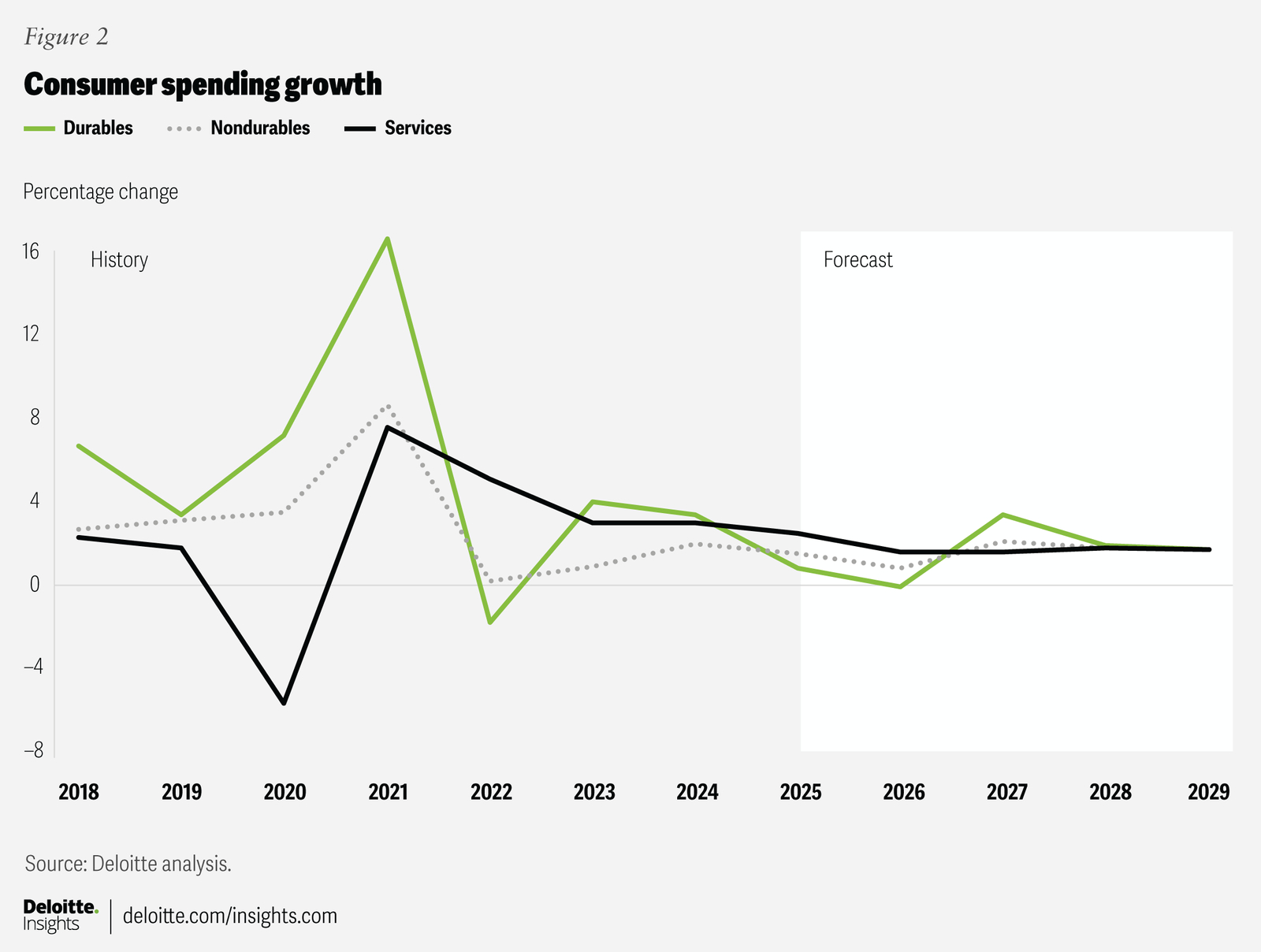
- Non-Cyclical or Inelastic Demand: The core of a defensive business is that demand for its products or services remains relatively constant throughout the economic cycle. People need to eat, brush their teeth, turn on the lights, and seek medical care in good times and bad. This contrasts sharply with discretionary spending on items like luxury cars, vacations, or high-end electronics, which are often the first expenses consumers cut.
- Pricing Power: The ability to raise prices without significantly losing customers is a superpower in an inflationary environment. Defensive companies often possess strong brand loyalty, which grants them this pricing power. If the cost of raw materials increases, a company like Procter & Gamble can often pass those costs onto consumers who are unwilling to switch from their trusted Tide detergent or Crest toothpaste.
- Consistent and Growing Dividends: Defensive companies are typically mature, profitable, and generate significant free cash flow. Rather than reinvesting every dollar back into rapid growth, they often return a substantial portion to shareholders in the form of dividends. A long history of not just paying, but consistently increasing, dividends is a hallmark of financial health and a commitment to shareholders. This provides a tangible return even when the stock price is stagnant or falling.
- Strong Balance Sheets: Companies with low levels of debt and ample cash reserves are better equipped to weather economic storms. They don’t face the same solvency risks as highly leveraged firms during credit crunches and can even use their strong financial position to acquire distressed competitors or invest in new opportunities when others are retrenching.
- Proven Resilience Through Past Recessions: While past performance is no guarantee of future results, a company’s performance during historical downturns like the 2008 Financial Crisis or the 2020 COVID-19 pandemic can be highly instructive. A stock that held its value better than the broader market is demonstrating its defensive nature in real-time.
With these principles in mind, let’s examine our three selected stocks in detail.
Defensive Play #1: The Procter & Gamble Company (PG) – The Stalwart of Everyday Necessities
Company Overview and Brand Power
Founded in 1837, The Procter & Gamble Company is more than just a company; it’s a testament to the power of brand building and product ubiquity. With a market capitalization exceeding $350 billion, P&G operates in over 180 countries and boasts a portfolio of some of the world’s most recognizable consumer brands. Its products are categorized into five segments: Fabric & Home Care (Tide, Downy, Mr. Clean), Baby, Feminine & Family Care (Pampers, Luvs, Always, Bounty), Beauty (Olay, Pantene, Head & Shoulders), Grooming (Gillette, Venus), and Health Care (Oral-B, Crest, Vicks).
This vast portfolio is P&G’s first line of defense. It is deeply woven into the fabric of daily life across the globe. A recession does not mean parents stop buying diapers or households stop doing laundry. This inelastic demand is the bedrock of its defensive appeal.
Defensive Characteristics in Action
- Recession-Resistant Revenue Streams: During the Great Recession of 2008-2009, while S&P 500 earnings plummeted, P&G’s sales remained remarkably stable. Consumers may trade down from eating at restaurants, but they continue to buy dish soap and toilet paper. The 2020 pandemic further underscored this, as panic buying of household essentials actually provided a short-term sales boost.
- Immense Pricing Power: P&G’s brands are often the category leaders. This brand loyalty provides significant pricing power. In recent years, amid high inflation, P&G has confidently implemented multiple rounds of price increases across its product lines. While there has been some pushback and a shift to private-label alternatives in certain categories, the overall impact on volume has been manageable, demonstrating the strength of its moat.
- A Dividend King: P&G is a member of the elite “Dividend Kings,” having increased its dividend for over 65 consecutive years. This is one of the longest such streaks in the world. For investors, this represents a growing stream of income that is largely insulated from economic cycles. The current dividend yield typically hovers around 2.5-3%, providing a solid income cushion.
- Operational Excellence and Cost Control: Under CEO Jon Moeller, P&G has embarked on a relentless drive for efficiency, streamlining its product portfolio and focusing on its most profitable brands. This has led to expanding profit margins and robust free cash flow generation, which in turn funds the dividend, share buybacks, and innovation.
Investment Thesis and Risks
The thesis for P&G is one of steady, predictable, and durable compounding. It is not a stock you buy for explosive growth. Instead, you are buying a tollbooth on global household consumption. An investment in P&G is a bet that people will continue to prioritize basic hygiene and household care, and that P&G’s brand leadership will allow it to maintain pricing power and profitability.
Key Risks:
- Competition from Private Labels: The primary long-term risk is the continued improvement and marketing of lower-priced store brands. In a prolonged economic downturn, trading down could become more pronounced.
- Input Cost Volatility: As a massive consumer of raw materials like resin, pulp, and chemicals, P&G’s margins can be squeezed when it cannot fully or immediately pass on cost increases.
- Currency Headwinds: As a global company, a strong U.S. dollar can reduce the value of its overseas earnings when converted back to USD.
Despite these risks, P&G’s scale, brand equity, and distribution network create a formidable defensive moat that has stood the test of time.
Defensive Play #2: Johnson & Johnson (JNJ) – The Healthcare Fortress
Company Overview and a New Structure
Johnson & Johnson is a titan of the global healthcare industry, with a history spanning 130 years. For decades, its business was structured as a three-legged stool: Pharmaceuticals (innovative medicines), MedTech (medical devices and diagnostics), and Consumer Health (well-known brands like Tylenol, Band-Aid, and Listerine). However, in a landmark move to sharpen its focus, J&J spun off its Consumer Health segment into a new, independent publicly traded company called Kenvue (KVUE) in 2023.
This strategic pivot makes the “new” J&J an even more concentrated defensive play. It is now a pure-play science and innovation company, focused on its high-growth Pharmaceutical and MedTech segments.
Defensive Characteristics in Action
- Mission-Critical Products: Demand for healthcare is fundamentally non-discretionary. Cancer treatments, cardiovascular stents, immune-therapies, and surgical procedures are not postponed indefinitely because of an economic slowdown. This creates a bedrock of predictable demand for both its Pharmaceutical and MedTech divisions.
- A Diversified Moat within Healthcare: While no longer including consumer brands, J&J retains powerful diversification within the healthcare sector.
- Pharmaceuticals: This is the engine of growth and profitability. J&J boasts a blockbuster drug portfolio in areas like immunology (Stelara, Tremfya), oncology (Darzalex, Imbruvica), and neuroscience (Spravato). It plows billions back into R&D to replenish its pipeline as patents expire.
- MedTech: This segment provides stability and a global footprint with products used in surgery, orthopedics, and vision care. It is a play on the aging global demographic and the increasing volume of medical procedures worldwide.
- Financial Fortress and Dividend Aristocrat: J&J boasts a pristine AAA-rated balance sheet, a rarity in the corporate world that signifies exceptional creditworthiness and financial stability. More importantly for income investors, it is a Dividend Aristocrat, having increased its dividend for over 60 consecutive years. The spin-off of Kenvue did not break this chain; J&J maintained its dividend level for the remaining company, demonstrating its commitment to shareholders.
- Risk Mitigation through R&D: The constant churn of patent expirations (the “patent cliff”) is a key risk for pharma companies. J&J mitigates this by investing heavily in R&D ($15 billion+ annually) and through strategic acquisitions, ensuring a steady stream of new products to drive future growth.
Investment Thesis and Risks
The investment thesis for the new J&J is a bet on the inexorable demand for advanced healthcare, powered by one of the industry’s strongest balance sheets and R&D engines. It offers a unique combination of defensive stability from its MedTech division and high-margin growth from its Pharmaceuticals division, all while providing a secure and growing dividend.
Key Risks:
- Patent Expirations and Pipeline Setbacks: The loss of exclusivity for a major drug like Stelara (which begins in 2025 in the U.S.) represents a significant revenue headwind. The failure of a key drug candidate in clinical trials can also impact the stock.
- Litigation Overhang: J&J has faced, and continues to face, significant litigation, most notably regarding its talc-based products. While the Kenvue spin-off was designed in part to ring-fence this liability, it remains a reputational and financial risk.
- Regulatory Scrutiny: The entire healthcare sector is subject to intense regulation from bodies like the FDA, and pricing pressures from governments and insurers are a constant challenge.
Despite these risks, J&J’s core competencies in developing and delivering critical healthcare solutions make it a defensive cornerstone for any portfolio.
Defensive Play #3: NextEra Energy (NEE) – The Essential Utility, Reimagined
Company Overview: Two Powerhouses in One
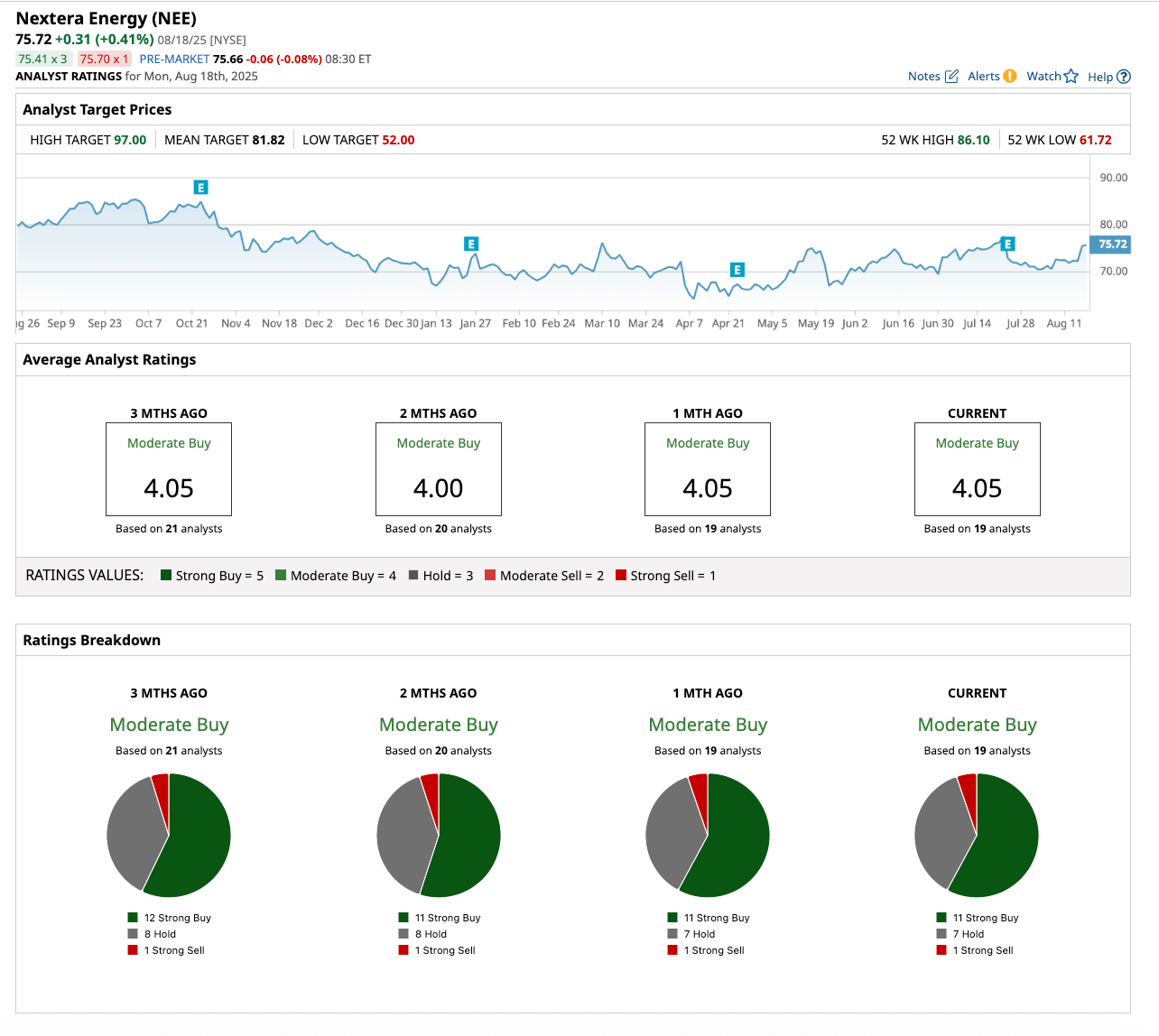
NextEra Energy shatters the traditional image of a stodgy, slow-growing utility. While it owns Florida Power & Light (FPL), the largest regulated electric utility in the U.S., serving millions of customers, its true growth engine is NextEra Energy Resources (NEER), the world’s largest generator of renewable energy from wind and solar.
This dual-pronged structure is what makes NEE a uniquely powerful defensive stock. It combines the regulated monopoly stability of a traditional utility with the high-growth trajectory of a renewable energy leader.
Defensive Characteristics in Action
- The Ultimate Inelastic Demand: Electricity is the ultimate non-discretionary service. Regardless of the economy, homes and businesses need power. FPL’s regulated operations provide a highly predictable and government-sanctioned return on its capital investments. Revenues are virtually guaranteed, creating an incredibly stable earnings base.
- A Monopoly on the Future of Energy: While FPL provides the defensive bedrock, NEER is the growth rocket. NextEra has been at the forefront of the global energy transition, building out massive wind and solar farms and investing in battery storage. This positions the company as a direct beneficiary of global decarbonization efforts and government incentives like the Inflation Reduction Act.
- A Stellar Dividend Growth Story: NextEra Energy is a dividend achiever, with a track record of consistent increases. While its yield is lower than many utilities (typically around 2.5-3%), its dividend growth rate has been exceptional. Management has provided a dividend growth outlook of roughly 10% per year through at least 2026, a rate that dwarfs most other utilities and the broader market. This appeals to investors seeking both income and capital appreciation.
- Regulatory Moats and Economic Advantages: The utility business is protected by high regulatory barriers to entry. Building a new power grid is impossible for a new competitor. Furthermore, NextEra’s massive scale in renewables gives it a significant cost advantage, allowing it to win long-term power purchase agreements at competitive prices.
Investment Thesis and Risks
The thesis for NextEra is “defensive growth.” You get the safety and predictable cash flows of a regulated utility, which acts as a defensive anchor during downturns. Simultaneously, you get exposure to the multi-decade, high-growth tailwind of the renewable energy transition. It’s a company that is both defending the present and aggressively building the future.
Key Risks:
- Interest Rate Sensitivity: Utilities are often sensitive to interest rates because they carry high debt loads to fund infrastructure projects. Rising rates can increase their borrowing costs and make their dividend yields less attractive compared to risk-free government bonds.
- Regulatory Risk: The profitability of FPL is determined by the Florida Public Service Commission. Unfavorable rate case decisions can impact earnings growth.
- Weather and Climate Risk: As a Florida-based operator, NEE is exposed to hurricane and extreme weather events that can cause significant physical damage and restoration costs.
- Execution Risk: The ambitious growth plans of NEER depend on successfully executing massive, complex projects on time and on budget.
Despite these risks, NextEra’s unique combination of defensive utility operations and renewable energy leadership makes it a one-of-a-kind defensive stock for the 21st century.
Read more: The Fed, Inflation, and Your Portfolio: A WSB Autist’s Guide to Macro-Economics
Portfolio Construction: How to Use Defensive Stocks
Defensive stocks like PG, JNJ, and NEE are not meant to be your entire portfolio. Their primary role is to provide ballast. In sailing, ballast is heavy material placed low in a vessel to provide stability and prevent it from capsizing. Similarly, defensive stocks provide stability to a portfolio, reducing overall volatility and drawdowns during market downturns.
A well-constructed portfolio typically includes a mix of:
- Defensive Stocks (like those discussed) for stability and income.
- Cyclical Stocks (e.g., technology, industrials, discretionary) for growth during economic expansions.
- Speculative Assets (if suitable for your risk tolerance) for potential high returns.
The appropriate allocation to defensive plays depends entirely on your individual circumstances:
- Younger Investors with Long Time Horizons: May have a smaller allocation (e.g., 20-30%) to defensive stocks, focusing more on growth.
- Investors Nearing or in Retirement: Should have a significantly larger allocation (e.g., 50-70% or more) to preserve capital and generate reliable income.
The key is to build a portfolio that allows you to sleep well at night during market storms, knowing that a portion of your assets is invested in companies built to endure.
Conclusion: Prudence in an Uncertain World
In the pursuit of investment returns, it is easy to be seduced by the allure of rapid growth and speculative stories. However, true long-term wealth creation is as much about avoiding catastrophic losses as it is about capturing spectacular gains. Defensive investing is the discipline of prudence.
The Procter & Gamble Company, Johnson & Johnson, and NextEra Energy each represent a different facet of this defensive philosophy. P&G is the archetype of consumer necessity, J&J the bastion of healthcare inevitability, and NEE the fusion of essential utility and transformative growth. They possess strong brands, pricing power, robust balance sheets, and a proven history of rewarding shareholders through dividends.
While they are not immune to market downturns or company-specific challenges, their fundamental businesses are designed to withstand economic headwinds better than most. By incorporating such defensive plays into a diversified portfolio, you are not betting against growth; you are simply ensuring that your financial ship is sturdy enough to sail through any storm and reach its long-term destination.
Read more: Rookie Mistakes: How to Lose Your Life Savings in 5 Days (A WSB Cautionary Tale)
Frequently Asked Questions (FAQ)
Q1: Are defensive stocks the same as “value” stocks?
Not necessarily. While there can be overlap, they are different concepts. A defensive stock is defined by the non-cyclical nature of its business (e.g., utilities, staples). A value stock is one that appears undervalued based on fundamental metrics like its price-to-earnings (P/E) ratio. A defensive stock can be overvalued (i.e., not a value stock), and a cyclical stock like a car manufacturer can be undervalued and thus considered a value stock.
Q2: Don’t defensive stocks underperform in a bull market?
Often, yes. During strong economic expansions when investors are optimistic, they tend to favor more aggressive, cyclical, and growth-oriented stocks that have higher earnings potential. Defensive stocks, with their slower growth profiles, may lag behind the broader market during these periods. Their primary strength is protection during bear markets, not outperformance in bull markets.
Q3: What are some other sectors and examples of defensive stocks?
Beyond the three discussed, other classic defensive sectors include:
- Utilities: (e.g., Duke Energy (DUK), Southern Company (SO))
- Consumer Staples: (e.g., Coca-Cola (KO), Colgate-Palmolive (CL), Walmart (WMT))
- Healthcare: (e.g., Abbott Laboratories (ABT), UnitedHealth Group (UNH))
- Essential Telecommunications: (e.g., Verizon (VZ), AT&T (T))
Q4: Is it better to buy individual defensive stocks or a defensive ETF?
This depends on your preference and expertise.
- Individual Stocks: Allow for selective, concentrated bets on companies you have deeply researched. You have direct control and avoid ETF management fees.
- Defensive ETFs: Provide instant diversification across a basket of defensive stocks. Examples include the Consumer Staples Select Sector SPDR Fund (XLP), the Health Care Select Sector SPDR Fund (XLV), or the Utilities Select Sector SPDR Fund (XLU). This is a simpler, lower-effort approach that reduces company-specific risk.
Q5: With the J&J consumer health spin-off, do I now own shares of Kenvue (KVUE)?
If you owned shares of J&J before the spin-off was completed in 2023, you received shares of the new company, Kenvue (KVUE), on a pro-rata basis. You now own two separate, independently traded stocks: JNJ and KVUE. It is important to reassess both companies based on their new, distinct investment theses.
Q6: How does high inflation impact defensive stocks like these?
Inflation is a double-edged sword. On one hand, companies with strong pricing power (like P&G and JNJ) can raise prices to protect their profit margins. On the other hand, rising input costs can still squeeze margins if price increases aren’t fully absorbed by consumers. For utilities like NextEra, inflation can lead to higher costs for equipment and construction, but they can typically petition regulators for rate increases to compensate. Their ability to navigate inflation is a key test of their defensive mettle.