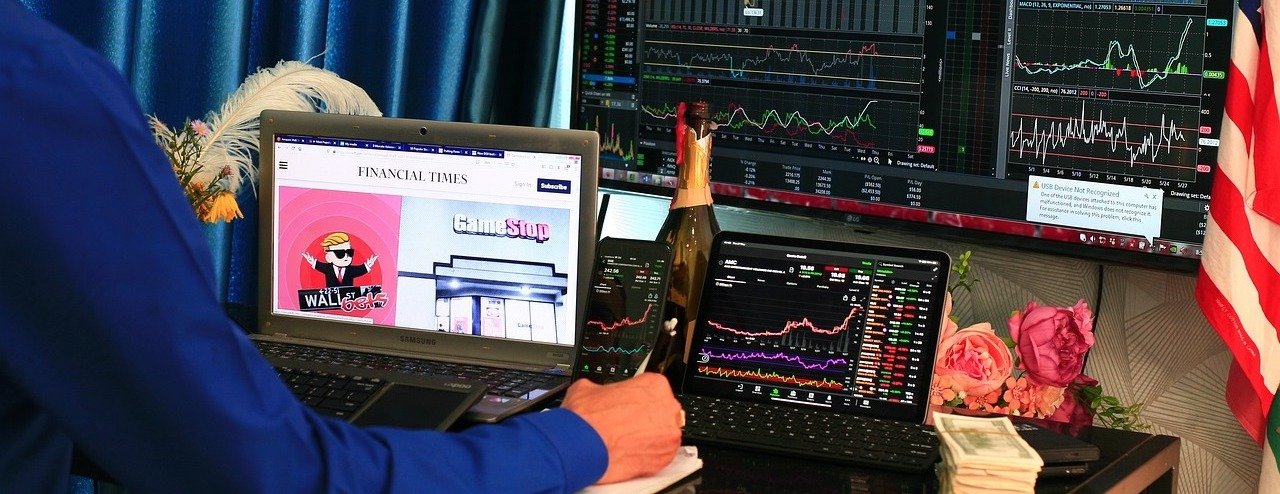

In January 2021, the financial world was turned upside down. GameStop, a struggling brick-and-mortar video game retailer, became the unlikely battleground where a legion of retail investors from the subreddit r/WallStreetBets clashed with multi-billion dollar hedge funds. The weapon of choice was the short squeeze, a financial phenomenon that sent $GME’s stock price from under $20 to an intraday high of over $480 in a matter of weeks.
The event was seismic. It resulted in billions of dollars in losses for hedge funds, congressional hearings, and a permanent shift in the relationship between Main Street and Wall Street. It birthed a new generation of investors, united under the banner of “Apes,” who championed a new ethos: “Apes together strong.”
But that was over three years ago. Today, the dust has settled, but the war is not over. The stock, while down over 80% from its peak, continues to trade at levels that would have been unimaginable before 2021, buoyed by a dedicated shareholder base and persistent speculation of a “second squeeze.” This report delves into the heart of this ongoing saga. We will separate hope from data, conviction from cope, and provide a clear-eyed assessment of $GME’s future.
Section 1: The Bull Case – The Coiled Spring Narrative
The belief in a second, potentially more explosive short squeeze is not based on mere wishful thinking. Proponents point to a confluence of structural, fundamental, and sentiment-driven factors.
1.1 The Persistent and Potentially Massive Short Interest
The core fuel for any short squeeze is a high level of short interest. While the reported short interest has dramatically decreased from its 2021 peak (over 140% of the float), it remains elevated compared to the average stock.
- Reported Figures: As of [Insert Last Month’s Date], reported short interest for $GME sits at approximately 20-25% of the float. While this is not the >100% figure that ignited the first squeeze, it is still significant. A short interest above 10-20% is generally considered high, indicating a substantial number of investors are still betting on the company’s failure.
- The “Synthetic Long” and Naked Shorting Theory: The most fervent bulls argue that the true short interest is vastly underreported. The theory posits that through the use of deep-in-the-money call options, market makers, and potentially “naked” short selling (selling shares short without first borrowing them), the effective economic short exposure is much higher. This is a complex and controversial claim that is difficult to verify, but it forms a central pillar of the bull thesis. If true, it would mean the spring is far more coiled than official data suggests.
1.2 The Direct Registration System (DRS) and the “Locked Float”
This is perhaps the most unique and powerful element of the current $GME saga. A grassroots movement among retail investors has led to a massive direct registration of shares.
- What is DRS? DRS allows investors to remove their shares from their brokerage accounts (where they are often held in “street name”) and register them directly in their own names with GameStop’s transfer agent, Computershare.
- The Goal: The stated goal is to “lock the float.” By registering a significant portion of the tradable shares (the float), investors aim to physically prove that the number of shares in circulation exceeds the official count, exposing what they believe to be rampant synthetic share creation. As of the last company report, over 75 million shares were directly registered. With an float of approximately 304 million shares, this means retail investors directly own nearly 25% of the entire company through DRS alone. This creates a potentially powerful supply shock; if a large portion of the float is permanently held and not for sale, any buying pressure can have an outsized impact on the price.
1.3 The Ryan Cohen Factor: Leadership and Vision
The appointment of Ryan Cohen as CEO in September 2023 was met with euphoria by the “Ape” community. Cohen, the founder of Chewy.com, is seen as a visionary leader capable of transforming GameStop.
- Track Record: His success in building Chewy into an e-commerce powerhouse for pet supplies gives him immense credibility.
- Strategic Shift: Under Cohen, GameStop has aggressively cut costs, streamlined inventory, and significantly reduced its cash burn. He has focused on strengthening the company’s balance sheet, eliminating debt, and amassing a large cash position (over $1 billion as of last quarter). This provides a crucial safety net and capital for future initiatives.
- The “Pivot”: The market is waiting for Cohen to articulate a clear, transformative vision. Bulls believe he is building the foundation for a radical pivot away from reliance on physical game sales and towards a new, digital-centric business model—potentially in gaming NFTs, esports, or a broader e-commerce platform. His cryptic tweets are dissected by followers for clues, adding to the mystique and speculative fervor.
1.4 A Fortified Balance Sheet: No Imminent Bankruptcy Risk
The “too big to fail” narrative is gone. The company is now, by most measures, “too cash-rich to fail quickly.”
- Cash on Hand: With over $1 billion in cash and cash equivalents, GameStop has a substantial war chest. This negates the pre-2021 bear thesis of imminent bankruptcy.
- Zero Debt: The company has paid off its long-term debt, eliminating interest payments and freeing up cash flow.
- Implication: This financial fortress allows Cohen time to execute a turnaround without the pressure of creditors. For short sellers, it means the “waiting game” has become much more expensive and risky, as there is no foreseeable catalyst for a fundamental collapse.
Section 2: The Bear Case – The Gravity of Fundamentals
For every bullish argument, there is a stark counterpoint grounded in traditional financial analysis. The bear case argues that the current stock price is a speculative bubble detached from business reality.
2.1 The Relentless Decline of the Core Business
Despite the revolutionary shareholder base, GameStop’s core business continues to contract.
- Revenue Trends: Quarterly revenues have consistently declined year-over-year. The shift to digital game downloads, a trend accelerated by the COVID-19 pandemic, continues to erode the company’s primary revenue stream of selling new physical games and hardware.
- Profitability: The company has struggled to achieve consistent profitability. While cost-cutting has reduced losses, the path to sustainable and significant net income remains elusive. A company with a market capitalization fluctuating between $4-$10 billion is expected to generate substantial profits, which $GME does not.
- The Used Game Problem: The lucrative trade-in and resale model is also under threat. Digital games cannot be resold, and console makers are increasingly promoting digital-only versions of their hardware.
2.2 Valuation: A Speculative Mirage
From a traditional valuation standpoint, $GME’s stock price is extraordinarily difficult to justify.
- Price-to-Sales (P/S) Ratio: Even after the significant price decline from its peak, $GME trades at a P/S ratio that is multiple times higher than other struggling retailers. This implies the market is pricing in not just a stabilization, but a dramatic, hyper-growth future that has yet to materialize.
- The “Pivot” Premium: The entire bull case is essentially a bet on a future, undefined pivot. The current stock price includes a massive “Ryan Cohen premium” and a “transformation premium.” If Cohen’s new strategy fails to gain traction, is delayed, or is poorly received by the market, this premium can evaporate rapidly.
2.3 The DRS Momentum Stall
While the DRS movement is impressive, recent data suggests its momentum may be stalling.
- Slowing Growth: Quarterly SEC filings have shown a deceleration in the rate of new shares being directly registered. This could indicate that the most dedicated investors have already registered their shares, and new buying power is limited.
- The “True” Lock: To truly force a short squeeze through DRS, a vast majority of the float would need to be locked—a goal that requires continuous, massive capital inflow from new investors. The stalling momentum raises questions about its ultimate efficacy.
2.4 The Changing Macroeconomic and Regulatory Landscape
The environment of 2021 was unique and may not be reproducible.
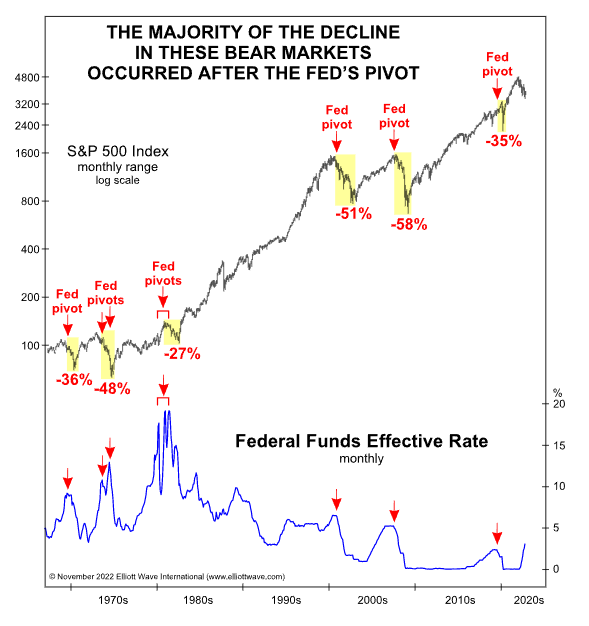
- Interest Rates: The era of near-zero interest rates is over. Higher rates make speculative, unprofitable assets like $GME less attractive compared to safe, income-generating assets like bonds.
- Regulatory Scrutiny: Brokers like Robinhood now face much stricter liquidity requirements, making it less likely they would need to restrict trading in a volatile stock as they did in January 2021. Furthermore, regulators like the SEC are acutely aware of the mechanisms of meme stocks and are likely monitoring the situation closely, potentially intervening in ways they did not before.
Read more: Defensive Plays: 3 U.S. Stocks to Weather Economic Uncertainty
Section 3: The X-Factors – What Could Tilt the Scales
Beyond the clear bull and bear narratives, several unpredictable variables could dramatically alter $GME’s trajectory.
- A Major Company Announcement: The single biggest catalyst would be Ryan Cohen unveiling a clear, credible, and ambitious new strategy. An acquisition, a groundbreaking partnership, or a launch of a new, high-margin product line could ignite the bull case.
- A “Black Swan” Market Event: A broad market crash could have a paradoxical effect. While it would likely drag $GME down initially, it could also trigger margin calls for leveraged short sellers, forcing them to cover their positions and creating a squeeze even in a down market.
- The “Apathy” Phase: The greatest enemy of a speculative movement is time. If the turnaround takes too long and the stock price remains in a slow, grinding decline, investor enthusiasm could wane. The community’s strength relies on active engagement, which can fade.
Conclusion: Weighing the Probabilities
So, is $GME primed for another squeeze, or are the Apes finally bag-holding? The unsatisfying, but most accurate, answer is that both outcomes remain possible, but the probabilities have shifted.
The case for a second major squeeze is weaker than in 2021. The short interest, while elevated, is not at the apocalyptic levels it once was. The macroeconomic tailwinds of free money are gone. The company’s fundamentals, while stabilized, do not support a sustained high valuation without a successful pivot.
However, to declare the Apes “bag-holders” is also premature. The DRS movement, the cult-like loyalty of the shareholder base, and the company’s strong cash position create a floor under the stock and a persistent threat to short sellers. This is not a typical “pump and dump”; it is a protracted, ideological war of attrition.
The most likely scenario in the near term is continued high volatility, with sharp price spikes on any positive news or market-wide “gamma squeezes” driven by options activity, followed by a slow bleed as fundamentals reassert themselves. The long-term fate of $GME rests almost entirely on the shoulders of Ryan Cohen. If he can execute a Chewy-level transformation, the bulls will be vindicated. If he cannot, the stock will likely continue its gradual descent towards a price justified by its declining core business.
For the investor considering a position today, the decision is not merely a financial one; it is a philosophical one. Are you betting on a financial anomaly and the power of collective action, or are you betting on the transformational genius of one man against powerful industry headwinds? In the world of $GME, “YOLO or Bust” is not just a meme; it remains the fundamental question.
Read more: Riding the Wave: Top U.S. Stocks to Buy for the AI and Tech Revolution
Frequently Asked Questions (FAQ)
Q1: What exactly is a short squeeze?
A: A short squeeze is a rapid increase in a stock’s price that forces investors who have bet against it (short sellers) to buy back the shares to limit their losses. This frantic buying creates more upward pressure on the price, creating a feedback loop. It’s like trying to get through a narrow door everyone else is rushing for at the same time.
Q2: How can I find the current short interest for $GME?
A: Websites like Ortex and S3 Partners provide frequent, updated estimates. Official figures are released by exchanges (FINRA) twice a month and can be found on sites like MarketWatch or the Wall Street Journal.
Q3: What is DRS, and how do I do it?
A: Direct Registration System (DRS) is a method of holding your shares directly on the company’s books, not through a broker. To DRS your $GME shares, you typically need to contact your broker (e.g., Fidelity, Charles Schwab) and request a “DRS Outbound Transfer” of your shares to Computershare, GameStop’s transfer agent.
Q4: Is GameStop going to go bankrupt?
A: In the short to medium term, the risk of bankruptcy is extremely low due to the company’s massive cash reserves and lack of debt. This was the primary bear thesis before 2021, and it has been effectively neutralized for now.
Q5: What is Ryan Cohen’s plan to turn the company around?
A: As of now, Ryan Cohen has not publicly detailed a specific, comprehensive strategic plan. He has focused on operational efficiency, cost-cutting, and strengthening the balance sheet. The investment community is awaiting a clear announcement on his vision for future growth.
Q6: Is investing in $GME considered a safe investment?
A: No. Investing in $GME is considered extremely high-risk and highly speculative. Its price is driven more by sentiment, social media dynamics, and complex market mechanics than by its current financial performance. You should only invest capital you are fully prepared to lose.