
The term “penny stock” often conjures images of highly speculative, over-the-counter (OTC) companies with minimal regulatory oversight. However, a unique and often overlooked segment of this market exists on the major U.S. exchanges: the NASDAQ and the New York Stock Exchange (NYSE). While true “penny stocks” (as defined by the SEC as stocks under $5) trading on these premier platforms are rarer, they represent a fascinating niche.
These are not your typical OTC pink sheet companies. To be listed on the NASDAQ or NYSE, a company must meet stringent initial and ongoing requirements regarding market capitalization, share price, corporate governance, and financial disclosure. This layer of regulatory scrutiny provides a degree of transparency often absent in the OTC markets.
In this deep-dive analysis, we will explore five such companies trading below the $5 threshold that are worthy of your watchlist this quarter. Our goal is not to provide hot stock tips, but to demonstrate a rigorous, analytical framework for evaluating high-risk, high-potential opportunities. We will dissect their business models, financial health, market positioning, and the potential catalysts and risks that could impact their trajectory in the coming months.
Our Analytical Framework: How We Selected and Evaluated These Stocks
To ensure a methodical and trustworthy approach, we evaluated potential candidates against a multi-faceted framework. This goes beyond just share price and looks at the fundamental and technical factors that could drive future performance.
- Exchange Listing & Compliance: The primary filter was a current listing on the NASDAQ or NYSE, ensuring a baseline of regulatory compliance and financial reporting.
- Share Price: All stocks selected were trading under $5 per share at the time of research.
- Market Capitalization: We focused on companies with a micro or nano-cap market cap, typically between $50 million and $500 million, placing them in the penny stock spectrum.
- Trading Volume & Liquidity: We considered average daily trading volume to ensure a minimum level of liquidity, reducing the risk of being unable to enter or exit a position.
- Business Model Viability: Does the company have a plausible product, service, or technology that addresses a real market need?
- Financial Health: We scrutinized balance sheets, cash flow statements, and income statements for liquidity (current ratio), debt levels, and, crucially, cash burn rate.
- Catalysts & Market Position: What near-term events (earnings, product launches, regulatory decisions) could move the stock? Does the company have a competitive moat or a unique value proposition?
- Risk Assessment: A clear-eyed identification of the specific, high-level risks inherent to each company.
Using this framework, we have identified the following five companies for your watchlist. Remember, a “watchlist” is a starting point for your own research, not a buy list.
The Top 5 NASDAQ & NYSE Penny Stocks to Watch
1. Bionano Genomics, Inc. (BNGO)
The Genomic Mapping Innovator
- Current Price (Approx.): ~$1.20
- Market Cap: ~$400 Million
- Exchange: NASDAQ
Company Overview:
Bionano Genomics is a life sciences instrumentation company that provides optical genome mapping (OGM) solutions. Its flagship platform, the Saphyr system, is designed to detect structural variations in DNA that are often missed by traditional genomic technologies like karyotyping and microarrays. In simple terms, while sequencing reads the order of the genetic “letters,” OGM provides a large-scale map of the genome’s “topography,” revealing large-scale rearrangements, breaks, and insertions that are critical in understanding genetic diseases, particularly in cancer and genetic disorders.
Investment Thesis & Catalysts:
- Clinical Adoption: The primary catalyst for BNGO is the growing adoption of its Saphyr system in clinical and research settings. The company is actively pursuing clinical guidelines and approvals from bodies like the FDA to move OGM from a research tool to a standard clinical diagnostic.
- Cost and Time Efficiency: Bionano’s technology claims to be faster and more comprehensive than the current standard of care for certain applications, such as cytogenetic testing in leukemia. This value proposition is key to displacing established, but older, technologies.
- Published Data: A growing body of peer-reviewed publications demonstrating Saphyr’s utility and superiority in specific niches, like hematological malignancies and constitutional genetic disorders, is building credibility and driving academic and clinical interest.
- Strategic Partnerships: Collaborations with major pharmaceutical companies and research institutions validate the technology and can lead to recurring revenue streams.
Key Financials & Metrics:
- Revenue: Bionano is in its growth phase, showing increasing quarterly revenue but not yet profitable.
- Cash Position: As of their last quarterly report, they held a significant cash reserve. The critical metric here is the cash burn rate. Investors must monitor whether revenue growth can outpace the burn before additional financing is needed, which could dilute existing shareholders.
- Installed Base: The number of Saphyr systems installed globally is a key performance indicator (KPI) to watch, as it drives future consumable sales.
Primary Risks:
- Commercialization Execution: The company’s success hinges on its ability to successfully commercialize Saphyr and convert interest into widespread, recurring revenue.
- Competition: They compete with entrenched, large-cap companies like Illumina (ILMN) and Agilent (A) who are continuously advancing their own technologies.
- Regulatory Hurdles: Achieving necessary clinical certifications and insurance reimbursements is a slow and uncertain process.
- High Cash Burn: As a pre-profitability company, the risk of dilution through future stock offerings is high.
2. Castor Maritime Inc. (CTRM)
The Micro-Cap Dry Bulk Shipper
- Current Price (Approx.): ~$0.40
- Market Cap: ~$80 Million
- Exchange: NASDAQ
Company Overview:
Castor Maritime is a global shipping company specializing in the ownership of dry bulk vessels. These ships transport major bulk commodities like iron ore, coal, and grain, which are the bedrock of global industrial and agricultural trade. The company has a mixed fleet of dry bulk carriers and has also expanded into the tanker sector. Its performance is intrinsically tied to the health of the global economy and the volatile shipping rates determined by supply and demand for vessel capacity.
Investment Thesis & Catalysts:
- Leverage to Shipping Rates: Castor’s revenue is directly linked to day rates in the shipping market, as tracked by indices like the Baltic Dry Index (BDI). A rising BDI, often driven by increased global industrial demand or port congestion, can lead to explosive revenue and profit growth for a leveraged player like Castor.
- Fleet Expansion and Modernization: The company has been actively acquiring vessels, growing its fleet significantly. A newer, more efficient fleet can command higher rates and lower operating costs.
- Dividend Potential: During periods of high profitability, shipping companies often pay special dividends. Any announcement of a dividend could attract income-seeking investors to this micro-cap stock.
- Global Economic Rebound: As a cyclical stock, any sustained recovery in global manufacturing and trade, particularly in China, would be a major tailwind.
Key Financials & Metrics:
- Day Rates & TCE (Time Charter Equivalent): This is the most important metric, showing the average daily revenue per vessel.
- Debt-to-Equity Ratio: The company has used debt to finance its fleet expansion. Monitoring its ability to service this debt during market downturns is critical.
- Profitability: Look for quarters where high day rates translate into net income and positive operating cash flow.
Primary Risks:
- Extreme Cyclicality: The shipping industry is notoriously cyclical. A downturn in the BDI can quickly erase profits and push the company into losses.
- High Financial Leverage: Debt used to buy ships can amplify returns in good times but can become a crushing burden during industry downturns.
- Global Macroeconomic Risks: Recessions, trade wars, and geopolitical events can immediately suppress global trade and shipping rates.
- Commodity Price Volatility: Fluctuations in the prices of the commodities they carry can indirectly affect shipping demand.
3. Adamis Pharmaceuticals Corporation (ADMP)
The Specialty Pharma and Naloxone Play
- Current Price (Approx.): ~$0.50
- Market Cap: ~$40 Million
- Exchange: NASDAQ
Company Overview:
Adamis Pharmaceuticals is a specialty biopharmaceutical company focused on developing and commercializing products in the areas of allergy, opioid overdose, and respiratory disease. Their lead commercial product is ZIMHI, a high-dose naloxone injection for the emergency treatment of opioid overdose. They also have a legacy business with USL (updates Syringe), a pre-filled epinephrine syringe, and a generics division.
Investment Thesis & Catalysts:
- The Opioid Crisis & ZIMHI: The ongoing opioid epidemic in the United States creates a significant and tragic public health need for overdose reversal treatments. ZIMHI’s claim is that it delivers a higher dose of naloxone faster than the widely adopted nasal sprays (Narcan). Gaining market share in this space, even a small percentage, could be transformative for a company of Adamis’ size.
- Government and Institutional Contracts: Securing contracts with state and local governments, first responders, and public health departments is a critical pathway to revenue for ZIMHI.
- Pipeline Development: While high-risk, progress in their development pipeline, particularly their inhaled naloxone product or other respiratory assets, could provide future value catalysts.
- Strategic Review: The company has announced it is exploring strategic alternatives, which could include a sale, merger, or partnership, potentially unlocking value for shareholders.
Key Financials & Metrics:
- ZIMHI Product Revenue: Quarterly sales figures for ZIMHI are the single most important metric to track its commercial traction.
- Cash Burn: Like many small biopharma companies, Adamis has a high cash burn rate as it invests in commercializing its products.
- Sales & Marketing Execution: The ability to build an effective sales force or partner with a larger distributor is key.
Primary Risks:
- Intense Competition: The naloxone market is dominated by well-funded, deeply entrenched competitors like Emergent BioSolutions (EBS), makers of Narcan.
- Commercialization Risk: There is no guarantee that ZIMHI will achieve significant commercial success against established, easier-to-use alternatives.
- Financial Sustainability: With a limited revenue stream and high burn rate, the company faces a high risk of needing to raise capital, leading to dilution, or facing financial distress.
- Regulatory Setbacks: Any issues with the FDA regarding their products or pipeline candidates could be devastating.
4. Ideanomics, Inc. (IDEX)
The EV and Fintech Ecosystem Builder
- Current Price (Approx.): ~$1.50
- Market Cap: ~$150 Million
- Exchange: NASDAQ
Company Overview:
Ideanomics is a complex and controversial company that aims to build an ecosystem around commercial electric vehicle (EV) adoption. Their business is divided into two main segments:
- EV Services (MEG): This includes everything from vehicle and battery financing to sales through its subsidiaries (e.g., VIA Motors, Solectrac), and even charging and energy services. They focus on the commercial fleet market (last-mile delivery, municipal vehicles, tractors).
- Capital Markets (Fintech): A legacy business providing financial technology and services, though the focus has increasingly shifted to the EV division.
Investment Thesis & Catalysts:
- The EV Megatrend: Ideanomics is a pure-play bet on the electrification of commercial transportation, a massive and growing market.
- Revenue Growth: The company has demonstrated an ability to generate significant quarterly revenue (often in the tens of millions) through its EV unit, a rarity among penny stocks.
- Strategic Acquisitions: They have grown through acquisitions, assembling a portfolio of companies that, in theory, create a synergistic ecosystem for commercial EV buyers.
- Government Incentives: Potential increases in federal and state incentives for EV adoption in the USA could benefit their sales.
Key Financials & Metrics:
- Top-Line Revenue: The headline revenue number is impressive, but it must be scrutinized.
- Gross Profit Margin: It’s crucial to look beyond revenue to the gross margin. Are they selling vehicles profitably, or just moving money?
- Profitability: The company has consistently reported significant net losses. The path to profitability is the central question for investors.
- Cash Flow: Negative operating cash flow is a major red flag that requires monitoring.
Primary Risks:
- Execution and Integration Risk: The business model is highly complex, and successfully integrating numerous acquisitions is a monumental challenge.
- Profitability Concerns: High revenue without a clear path to net income is a classic warning sign. The “story” must eventually be backed by profits.
- Management Credibility: The company has faced skepticism from investors and media regarding its business model and reporting.
- Extreme Dilution: The company has a history of issuing massive amounts of new shares to fund operations and acquisitions, severely diluting the ownership stake of earlier investors.
5. Aemetis, Inc. (AMTX)
The Advanced Biofuels and Renewable Chemicals Producer
- Current Price (Approx.): ~$4.50
- Market Cap: ~$200 Million
- Exchange: NASDAQ
Company Overview:
Aemetis is a renewable natural gas and advanced fuels company focused on the production of low-carbon fuels and chemicals. They operate in two primary markets: in California, where they produce renewable natural gas (RNG) from dairy biogas, and in India, where they have a biodiesel and refined glycerin plant. The company’s core value proposition is producing fuels that generate significantly lower carbon emissions than traditional petroleum-based products.
Investment Thesis & Catalysts:
- California’s Low Carbon Fuel Standard (LCFS): This is the primary catalyst. California’s LCFS creates a system of carbon credits that are generated by the production and sale of low-carbon fuels like Aemetis’ RNG and biodiesel. The value of these credits can be substantial and directly boosts the profitability of each gallon sold.
- Federal Renewable Energy Policies: Programs like the Renewable Fuel Standard (RFS) and its associated Renewable Identification Numbers (RINs) provide another stream of valuable credits.
- High Energy Prices: A elevated price environment for natural gas and diesel improves the economics of their renewable alternatives.
- Carbon Capture Initiatives: The company’s plans for carbon capture and sequestration could open up additional revenue streams through federal tax credits (45Q).
Key Financials & Metrics:
- RINs and LCFS Credit Revenue: The contribution of these environmental credits to gross profit is a vital metric.
- Gross Margin per Gallon: Analyzing the profitability per unit of output, inclusive of credits, is more telling than just total revenue.
- Debt Load: The company has carried a significant debt burden. Its ability to refinance or service this debt is key.
- Production Volume: Increases in RNG and biodiesel production capacity directly drive revenue.
Read more: 0DTE Options: The WSB Gateway to a Lambo or the Food Stamps Line?
Primary Risks:
- Regulatory Dependency: Aemetis’ business model is heavily reliant on government mandates and incentives. Any adverse changes to the LCFS, RFS, or tax credit programs would be catastrophic.
- High Debt Levels: The company’s financial structure is leveraged, creating interest expense pressure and refinancing risk.
- Commodity Price Exposure: They are exposed to volatile input costs for feedstocks like animal fat and vegetable oil.
- Execution Risk: Delays or cost overruns in building out new production capacity (like their “Carbon Zero” biorefineries) could negatively impact the stock.
The Penny Stock Investor’s Mindset: A Guide to Risk Management
Investing in listed penny stocks requires a specific, disciplined mindset. The potential for high returns is matched by the high probability of permanent capital loss. Here are the core tenets of a prudent approach:
- Position Sizing is Everything: This is the most critical rule. Never allocate a significant portion of your portfolio to a single penny stock. A common strategy is to limit any single position to 1% or less of your total capital. This way, if one investment goes to zero, your overall portfolio survives.
- Embrace Volatility: These stocks can swing 10%, 20%, or even 50% in a single day. Do not invest money you cannot afford to lose. Emotional trading in response to volatility is a primary cause of losses.
- Do Your Own Due Diligence (DYOR): This article is a starting point. You must read the company’s official SEC filings (10-K, 10-Q, 8-K), listen to their earnings calls, and understand their industry.
- Have a Clear Exit Strategy: Before you invest, define your conditions for selling. What price target would you take profits at? At what price would you cut your losses? Adhering to a pre-defined plan removes emotion from the decision-making process.
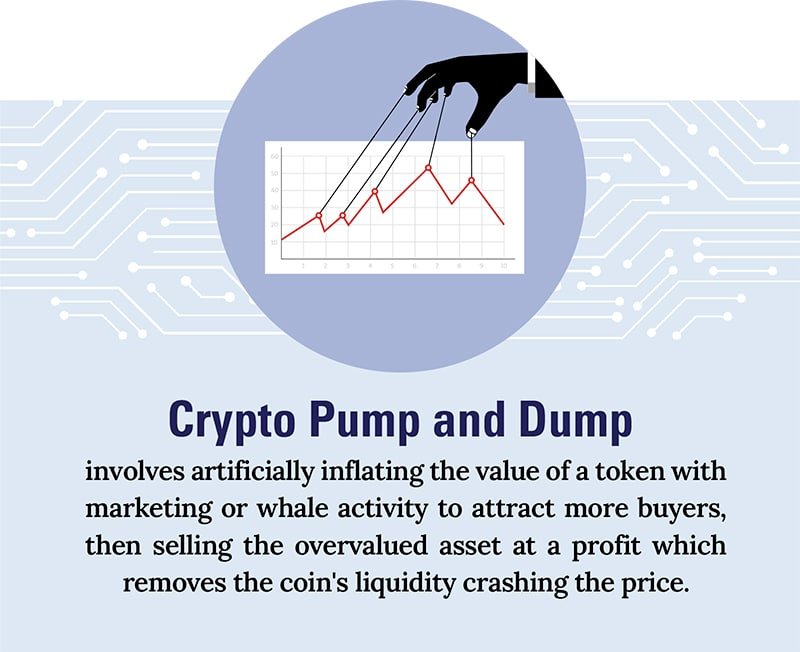
- Beware of Hype and Promoters: Penny stocks are fertile ground for “pump and dump” schemes, even on major exchanges. Be highly skeptical of investment advice from social media, unsolicited emails, and anonymous online forums.
Read more: Your Penny Stock Watchlist: 5 US Companies to Monitor This Quarter
Frequently Asked Questions (FAQ)
Q1: Are penny stocks on the NASDAQ/NYSE safer than OTC penny stocks?
A: They are generally considered to have a lower risk profile due to the listing requirements of the major exchanges. These requirements mandate a minimum share price, market capitalization, and, most importantly, regular financial reporting and adherence to corporate governance standards. This provides a greater degree of transparency. However, “less risky” does not mean “safe.” They are still highly speculative, volatile, and carry a significant risk of loss.
Q2: How can I find penny stocks on these major exchanges?
A: Most online brokerage platforms and financial screeners (like Finviz, Yahoo Finance, or TradingView) allow you to filter stocks by exchange (NASDAQ/NYSE) and price (e.g., under $5). You can then apply other filters like market cap or volume to narrow down your search.
Q3: What is the biggest mistake new penny stock investors make?
A: The two most common and devastating mistakes are: 1) Failing to manage position size (betting too much on one idea), and 2) Succumbing to FOMO (Fear Of Missing Out) and buying into a stock after it has already skyrocketed based on hype, only to be left holding the bag when it crashes.
Q4: How important are technical charts for trading penny stocks?
A: Technical analysis can be useful for identifying entry and exit points and understanding market sentiment. However, for these fundamentally weak companies, technicals can be wildly unpredictable and prone to manipulation. A combination of solid fundamental research (understanding the business) and technical timing is often the most robust approach.
Q5: What’s a key financial document I should read before investing?
A: The 10-K annual report is the most comprehensive. Pay close attention to the “Management’s Discussion and Analysis” (MD&A) section, the balance sheet (especially cash and debt), the income statement (revenue trends and profitability), and the statement of cash flows (to see how the company is funding its operations). Also, always read the “Risk Factors” section.
Q6: Is it better to invest in a penny stock ETF instead of individual stocks?
A: For most investors, yes, it is significantly less risky. An ETF like the Invesco WilderHill Clean Energy ETF (PBW), while not exclusively penny stocks, holds a basket of small-cap and micro-cap companies. This provides instant diversification, reducing the company-specific risk of any single holding going to zero. However, the ETF itself will still be volatile.