In the world of investing, uncertainty is the only constant. Economic cycles ebb and flow, bull markets eventually give way to bear markets, and periods of growth are inevitably followed by contractions. For investors, navigating these shifts is paramount to preserving capital and achieving long-term financial goals. While the siren song of high-flying tech stocks and speculative growth plays can be alluring during good times, they are often the first to tumble when the economic winds shift.
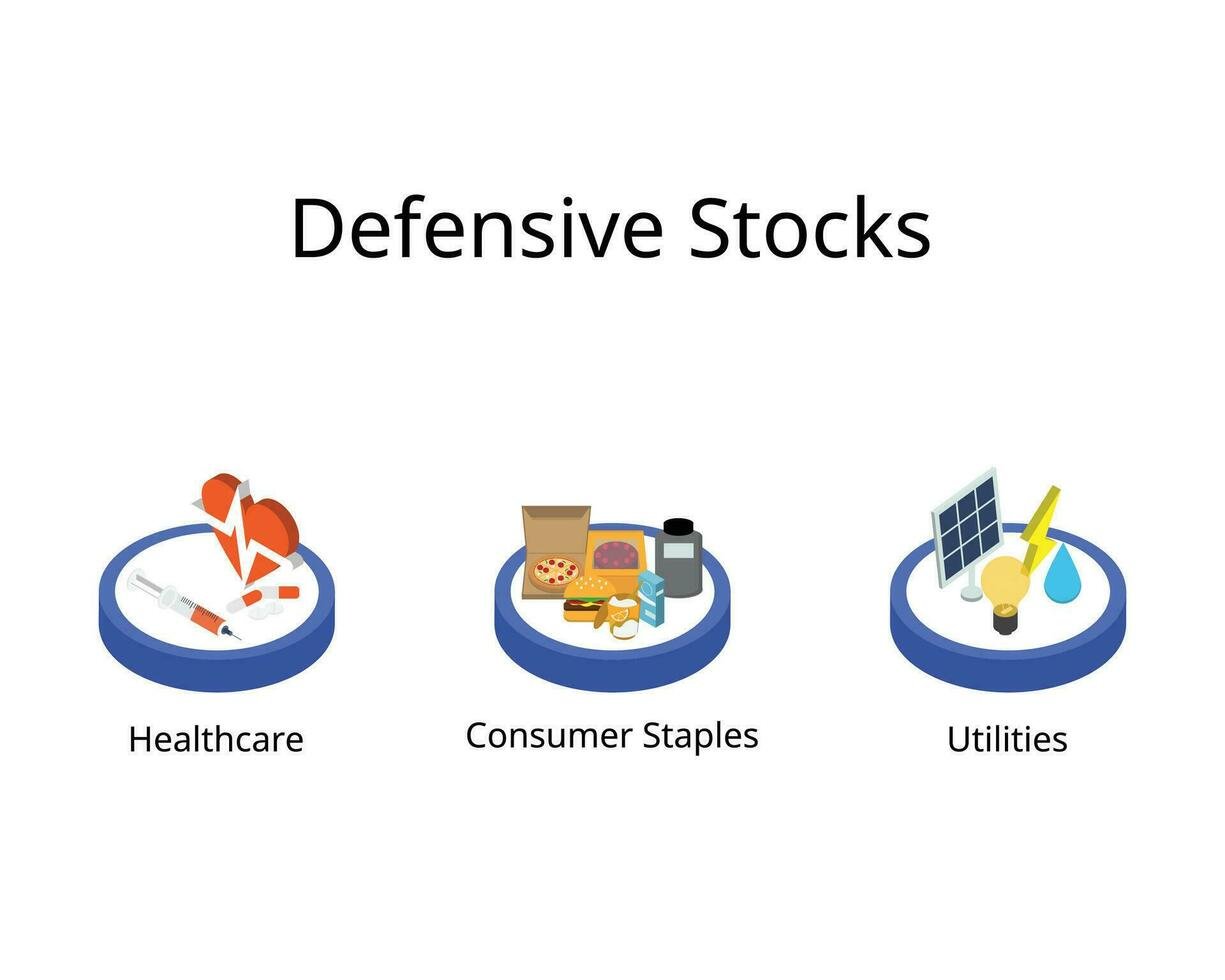
This is where the concept of “defensive investing” comes to the fore. Defensive investing isn’t about chasing explosive returns; it’s about building a resilient portfolio that can withstand economic downturns. It’s the financial equivalent of fortifying your house before a storm. And within the defensive investing universe, few sectors shine as brightly as Consumer Staples.
This article will delve deep into the world of Consumer Staples, explaining why they are considered a cornerstone of defensive portfolios. We will analyze the fundamental characteristics that make them resilient, and then conduct a thorough examination of three specific, industry-leading stocks that are well-positioned to help your portfolio weather an economic downturn.
Understanding the “What” and “Why” of Consumer Staples
What are Consumer Staples?
Consumer Staples, also known as “non-cyclical stocks,” are companies that produce or sell essential products that people need regardless of the state of the economy. These are the goods that form the bedrock of daily life—items for which demand remains relatively stable because consumers cannot easily eliminate them from their budgets.
The sector is broadly categorized into:
- Food and Beverage: Producers of packaged foods, meats, soft drinks, and bottled water.
- Household and Personal Products: Manufacturers of cleaning supplies, toilet paper, toothpaste, and shampoo.
- Tobacco and Alcohol: Producers of cigarettes, beer, wine, and spirits (though these also fall into the “sin stock” category).
- Retail: Discount stores and supermarkets that are the primary distribution points for these goods.
The Economic Moats of Consumer Staples: Why They Are Defensive
The defensive nature of Consumer Staples isn’t accidental; it’s built upon several powerful economic moats.
- Inelastic Demand: This is the core principle. Whether the economy is booming or in a recession, people still need to eat, drink, brush their teeth, and clean their homes. While consumers might trade down from premium brands to value brands, they rarely stop buying these essentials altogether. This inelastic demand provides a steady, predictable revenue stream for staple companies.
- Pricing Power: Leading companies in this sector possess strong brand loyalty. When you think of toothpaste, you likely think of Colgate; for diapers, Pampers. This brand recognition and trust grant these companies “pricing power”—the ability to raise prices to combat inflation without seeing a catastrophic drop in sales volume. In an inflationary environment, this is a critical advantage.
- Consistent Cash Flow & Strong Dividends: The predictable revenue model translates into stable and consistent cash flow. Unlike a tech startup that may burn cash for years, mature consumer staples companies are cash-generating machines. They routinely return this cash to shareholders in the form of reliable, and often growing, dividends. This makes them a favorite for income-seeking investors and provides a cushion of total return (dividends + capital appreciation) even when share prices are stagnant.
- Global Diversification: The largest players in this sector are true multinational behemoths. They sell their products in nearly every country on earth. This geographic diversification insulates them from a recession confined to one region. A slowdown in Europe can be offset by growth in Asia or Latin America.
- Recession-Resistant Retail Partnerships: During downturns, consumers become more price-conscious, often flocking to discount retailers like Walmart, Costco, and Dollar General. Staple companies are the primary suppliers for these thriving retail channels, further cementing their sales stability.
In essence, Consumer Staples represent a “slow and steady” approach to investing. They may not deliver the eye-popping returns of a nascent technology company, but they offer something arguably more valuable during turbulent times: resilience and predictability.
Criteria for Selecting Our 3 Defensive Stocks
To identify the most robust candidates within this already-defensive sector, we applied a stringent set of criteria. Our chosen companies are not just in the Consumer Staples sector; they exemplify its strongest defensive qualities.
- Industry Leadership & Brand Portfolio: The company must be a dominant player in its categories, with a portfolio of #1 or #2 ranked brands that are household names.
- Financial Fortitude: A strong balance sheet with low debt levels (or manageable debt) and a history of consistent profitability is non-negotiable. We examine key metrics like profit margins and free cash flow.
- Dividend Aristocrat/Kings Status (or potential): A long, unbroken history of not just paying but increasing dividends is a powerful signal of financial health and management’s commitment to shareholders.
- Global Reach: Significant international operations to provide geographic diversification.
- Proven Downturn Performance: A historical track record of stable earnings and stock performance during past recessions (e.g., 2008-2009, 2020).
Based on these rigorous criteria, we present three defensive stalwarts for your consideration: The Procter & Gamble Company, The Coca-Cola Company, and Costco Wholesale Corporation.
Defensive Stock #1: The Procter & Gamble Company (NYSE: PG)
The Unshakable Titan of Everyday Essentials
If there is one company that embodies the definition of a Consumer Staples giant, it is Procter & Gamble. Founded in 1837, P&G has not only survived but thrived through virtually every major economic crisis in modern history, from the Great Depression to the Great Recession. Its business model is a masterclass in defensive characteristics.
Business Overview and Brand Power
P&G operates through five core segments, touching nearly every aspect of daily household life:
- Fabric & Home Care: Brands like Tide (laundry detergent), Downy (fabric softener), and Mr. Clean (cleaners).
- Baby, Feminine & Family Care: Iconic brands such as Pampers and Luvs (diapers), Always (feminine care), and Bounty (paper towels).
- Beauty: Featuring Head & Shoulders, Pantene, and Olay.
- Grooming: Dominated by Gillette, the global leader in razors and blades.
- Health Care: Including Crest (toothpaste), Oral-B (electric toothbrushes), and Vicks (cold/flu remedies).
The strength of this portfolio is staggering. P&G owns 21 brands that each generate over $1 billion in annual sales. These are not just products; they are deeply ingrained habits for billions of consumers worldwide. This creates an immense barrier to entry for competitors and provides P&G with unparalleled shelf space in retailers globally.
Financial Resilience and Dividend Pedigree
P&G is a Dividend King, having increased its dividend for over 65 consecutive years—one of the longest such streaks on the public market. This is not a mere statistic; it is a testament to the company’s phenomenal cash-flow-generating ability.
- Consistent Profitability: P&G consistently maintains strong operating margins (often in the 22-24% range), demonstrating its pricing power and operational efficiency.
- Robust Free Cash Flow: The company generates billions in free cash flow annually. This cash is used to fund the dividend, buy back shares, and invest in innovation and marketing to keep its brands dominant.
- Strong Balance Sheet: P&G holds a pristine credit rating (AA- from S&P), indicating a very low risk of financial distress. This allows it to borrow cheaply if needed and navigate credit crunches with ease.
Performance During Downturns
During the 2008-2009 financial crisis, while the S&P 500 plummeted over 50%, P&G’s stock demonstrated remarkable resilience, declining significantly less. More importantly, its earnings per share remained stable, proving that demand for its products was largely unaffected. In 2020, during the COVID-19 pandemic-induced volatility, P&G saw a surge in demand for its cleaning and health products, further underscoring its essential nature.
Investment Thesis for PG:
P&G is the quintessential “set it and forget it” defensive stock. Its portfolio of non-discretionary brands, global scale, and legendary dividend history make it a foundational holding for any portfolio designed to withstand economic turbulence. Investors are paying for stability, reliability, and a growing income stream, not for explosive growth.
Defensive Stock #2: The Coca-Cola Company (NYSE: KO)
The Icon of Consistent Consumption
Much like P&G, Coca-Cola is more than a company; it’s a global cultural icon. Founded in 1892, Coca-Cola has built one of the world’s most recognizable brands and a distribution system so vast it’s often said to be within an arm’s reach of desire. This unique combination makes KO a formidable defensive stock.
Business Model and “Mind Share”
Coca-Cola’s defensive strength lies in its asset-light, powerful franchise model. The company does not own most of its bottling operations anymore. Instead, it focuses on creating the concentrated syrups and beverage bases, which it then sells to a global network of independent bottling partners. This model is capital-light, high-margin, and allows Coca-Cola to leverage the local expertise of its partners.
Its brand portfolio is immense, featuring over 500 brands and 4,300+ beverages, but it is strategically built around the crown jewel: Coca-Cola. Other powerhouse brands include Sprite, Fanta, Dasani, Smartwater, Minute Maid, and Powerade. This portfolio covers a wide range of beverage categories, from sparkling soft drinks to water, juices, and sports drinks. The company’s marketing might ensures its brands maintain immense “mind share,” making them the default choice for consumers globally.
Financial Fortitude and a Legendary Dividend
Coca-Cola is another Dividend King, with over 60 consecutive years of dividend increases. Its dividend is legendary among income investors and is supported by a business model that is a veritable cash fountain.
- High-Margin Revenue: The concentrate business is exceptionally profitable, leading to robust gross margins.
- Predictable Cash Flow: The franchise model generates highly predictable and recurring revenue, translating into steady cash flow used to fund the dividend and strategic acquisitions.
- Global Diversification: Coca-Cola operates in more than 200 countries. No single market dictates its fate. While soda consumption might be declining in North America, it is growing rapidly in emerging markets across Africa, Asia, and Latin America.
Performance During Downturns
Coca-Cola’s performance during recessions is a case study in defensive investing. During the 2008-2009 crisis, its EPS declined only modestly and recovered quickly. People may cut back on expensive luxuries, but a can of Coke remains an affordable treat. The 2020 pandemic was a unique test; while sales at restaurants, cinemas, and stadiums (a significant channel) dried up, grocery store sales surged as consumers stocked up. The company’s diverse channel distribution helped it navigate the disruption.
Investment Thesis for KO:
Coca-Cola offers a unique blend of brand power, a capital-light franchise model, and global diversification. Its status as a Dividend Aristocrat and its position in the affordable beverage space make it a resilient holding. It is a bet on global consumer habits and the enduring power of one of the world’s most valuable brands.
Defensive Stock #3: Costco Wholesale Corporation (NASDAQ: COST)
The Defensive Retailer: A Destination for Value
While P&G and Coca-Cola are product manufacturers, the third pillar of our defensive strategy is a retailer: Costco. However, Costco is not just any retailer; it is a unique business model that becomes more relevant to consumers during economic downturns.
The Membership Model: A Moat of Recurring Revenue
Costco’s primary defense is its membership-based business model. For an annual fee (currently $60 for a Gold Star membership and $120 for an Executive), members gain access to its warehouses. This model is brilliant for several reasons:
- Predictable, High-Margin Revenue: Membership fees are nearly pure profit. In fiscal 2023, Costco generated over $4.6 billion in membership fee income. This revenue stream is incredibly stable and provides a financial buffer even if product sales margins are squeezed.
- Customer Loyalty: The membership fee creates a “sunk cost” mentality. Members are incentivized to shop at Costco to get their money’s worth, leading to exceptionally high renewal rates (over 90% in the U.S. and Canada).
- Aligned Interests: Costco’s philosophy is to cap its markup on most products at 14-15%, far below traditional retailers. This creates immense value for members, fostering fierce loyalty.
Product Strategy and Treasure Hunt
Costco sells a vast array of consumer staples—from giant packs of Kirkland Signature (its private label) toilet paper and diapers to bulk groceries like rice, pasta, and canned goods. During a recession, consumers actively seek value, and Costco is the epicenter of value-based bulk shopping. Furthermore, its limited selection of high-quality, discretionary items (the “treasure hunt” element) drives foot traffic and impulse purchases, but its core business remains rooted in essentials.
Financial Prudence and Operational Excellence
Unlike many retailers burdened by debt, Costco has a fortress-like balance sheet. It often holds more cash than debt, giving it tremendous financial flexibility. Its inventory turns over at an astonishing rate—much faster than competitors like Walmart or Target. This means it sells and gets paid for its inventory before it even has to pay its suppliers, effectively using supplier money to fund its operations (a negative cash conversion cycle).
While its dividend yield is lower than P&G or Coke, Costco has a history of paying special cash dividends, rewarding shareholders with massive lump-sum payments when its cash pile becomes too large.
Read more: Your Penny Stock Watchlist: 5 US Companies to Monitor This Quarter
Performance During Downturns
Costco is arguably counter-cyclical. During the 2008-2009 recession, its sales and membership numbers continued to grow as budget-conscious consumers and small businesses flocked to its warehouses for better prices. It gained market share from traditional grocery stores. The same pattern emerged in 2020, where it was seen as an essential retailer, experiencing a surge in sales as consumers stocked up on staples.
Investment Thesis for COST:
Costco is a defensive play on the retail channel for consumer staples. Its unique membership model, value proposition, and operational excellence make it a destination during tough economic times. Investing in Costco is a bet that consumers will always prioritize value, and that its loyal membership base will continue to grow.
Comparative Analysis & Portfolio Integration
| Feature | Procter & Gamble (PG) | Coca-Cola (KO) | Costco (COST) |
|---|---|---|---|
| Core Business | Manufacturer of Branded CPG | Beverage Concentrate Maker | Membership Warehouse Club |
| Defensive Moats | Brand Power, Pricing Power | Global Brand, Franchise Model | Membership Model, Value Proposition |
| Dividend Yield | Moderate (~2.5%) | Moderate (~3.0%) | Low (~0.6%) + Specials |
| Dividend History | Dividend King (65+ years) | Dividend King (60+ years) | Consistent grower |
| Primary Risk | Private Label Competition, FX | Health Trends, Sugar Content, FX | Competition (Walmart, Amazon) |
| Best For | Core Stability & Steady Income | Global Brand Power & Income | Growth & Retail Channel Defense |
How to Integrate Them Into a Portfolio
These three stocks are not mutually exclusive; in fact, they can be highly complementary.
- P&G and Coca-Cola provide the steady, high-yielding income from the manufacturing side.
- Costco provides growth and exposure to the retail channel that sells the products of P&G, Coke, and hundreds of other staple companies.
An investor could build a robust defensive core by allocating a portion of their portfolio to all three, creating a diversified stake across the entire Consumer Staples value chain.
Conclusion: Prudence in an Uncertain World
In the pursuit of investment returns, it is easy to be captivated by the new and the novel. However, long-term wealth building is as much about preservation as it is about growth. The Consumer Staples sector, with its foundation of inelastic demand and essential products, offers a proven harbor in economic storms.
Procter & Gamble, Coca-Cola, and Costco represent the elite within this sector. They are not just survivors; they are companies built to thrive across economic cycles. Their powerful brands, resilient business models, and shareholder-friendly policies make them compelling candidates for any investor seeking to fortify their portfolio against the inevitable downturns.
While past performance is no guarantee of future results, the decades, and in some cases centuries, of operational excellence demonstrated by these companies provide a strong foundation for confidence. By incorporating such defensive stalwarts, you are not betting against growth; you are wisely insuring your portfolio for the long and unpredictable journey ahead.
Read more: A Realistic Look at the Odds: What Percentage of Penny Stocks Actually Succeed?
Frequently Asked Questions (FAQ)
Q1: Are Consumer Staples completely recession-proof?
A: No investment is entirely recession-proof. Consumer Staples are “recession-resistant.” While demand for their core products remains stable, they are not immune. Consumers may trade down to cheaper private-label brands, and companies can face rising input costs that squeeze margins. However, their decline in sales and earnings is typically far less severe than that of cyclical companies in sectors like travel, luxury goods, or automotive.
Q2: With the rise of ESG (Environmental, Social, Governance) investing, are companies like Coca-Cola and P&G still good choices?
A: This is a critical consideration for modern investors. Both companies face ESG-related challenges. Coca-Cola is often scrutinized for its plastic packaging and health concerns regarding sugary drinks. P&G faces similar packaging issues. In response, both companies have made significant public commitments and investments in sustainability, such as water replenishment goals, recyclable packaging, and reducing their environmental footprint. An investor must weigh these factors against the companies’ defensive fundamentals and decide if their ESG progress aligns with personal investment criteria.
Q3: These stocks often have lower growth rates. Won’t they drag down my portfolio’s overall performance?
A: Over a full market cycle, a well-diversified portfolio aims for a balance of growth and stability. While Consumer Staples may underperform high-growth sectors during a powerful bull market, their role is to provide stability and reduce volatility during downturns. This can prevent panic selling and preserve capital, which is crucial for compounding returns over the long term. The “drag” in good times is often the price paid for resilience in bad times.
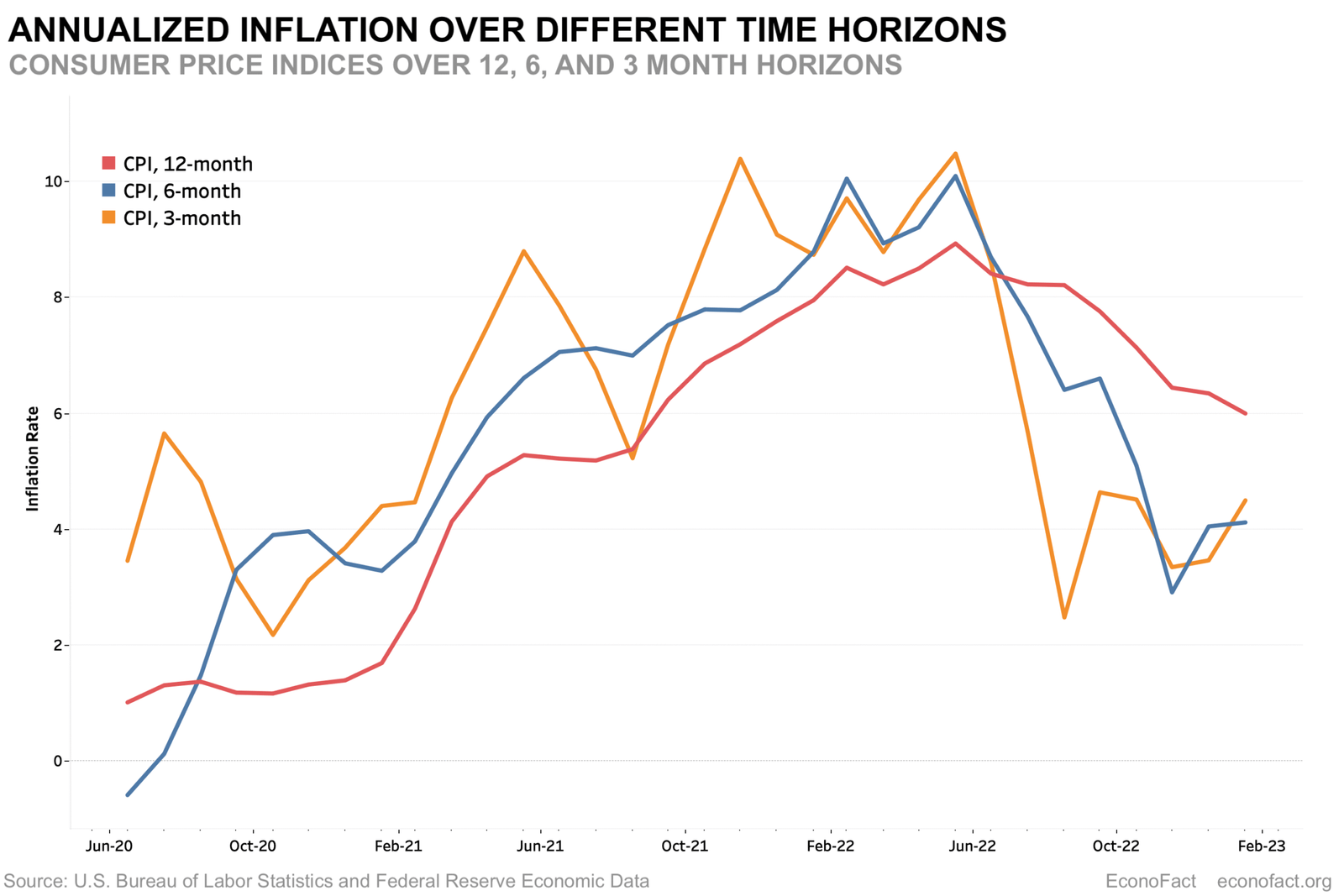
Q4: How does inflation impact these companies?
A: Inflation is a double-edged sword. On one hand, rising costs for raw materials, transportation, and labor can squeeze profit margins. On the other hand, as demonstrated recently, strong brands like P&G and Coke have significant pricing power. They can pass these increased costs onto consumers without a dramatic loss of sales volume. Costco’s fixed markup percentage means its margins are somewhat protected, but it uses its buying power to negotiate fiercely with suppliers to mitigate cost increases.
Q5: Is now a good time to buy these stocks?
A: Timing the market is notoriously difficult. High-quality defensive stocks like these are rarely “cheap” because their stability is prized by the market. A better strategy than trying to time the entry point is dollar-cost averaging—investing a fixed amount of money at regular intervals. This reduces the risk of investing a lump sum at a market peak and allows you to build a position over time.
Q6: Are there any ETFs that focus on this sector?
A: Yes, for investors who prefer diversification within the sector rather than picking individual stocks, Consumer Staples ETFs are an excellent option. Popular examples include:
- Consumer Staples Select Sector SPDR Fund (XLP): This ETF holds a basket of stocks within the S&P 500’s Consumer Staples sector, including P&G, Coke, Costco, and PepsiCo.
- Vanguard Consumer Staples ETF (VDC): Another low-cost option providing broad exposure to the sector.
These ETFs offer instant diversification but will have lower potential upside (and downside) than any single stock.