Introduction: The Mainstreaming of a Moral Compass
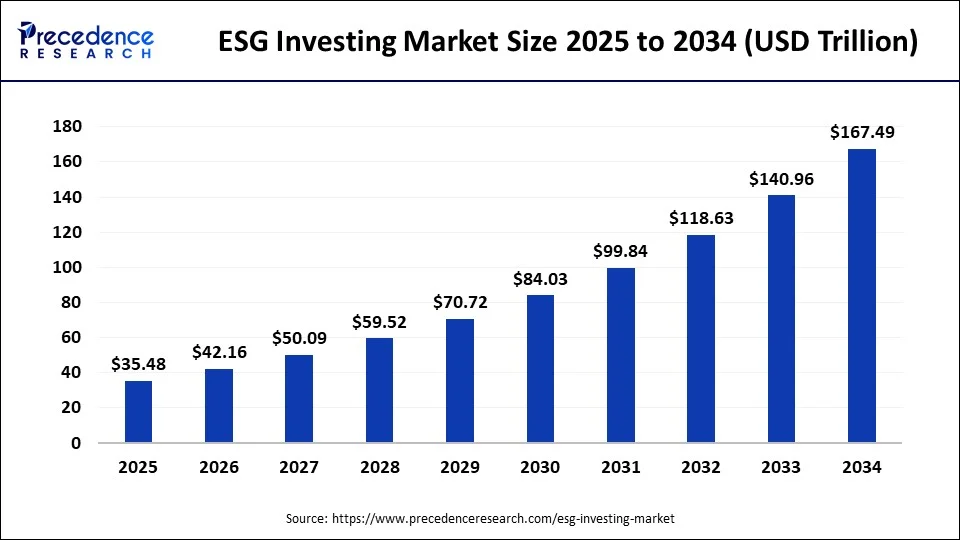
Environmental, Social, and Governance (ESG) investing has evolved from a niche, ethically-driven strategy into a mainstream financial powerhouse in the United States. What was once a simple exercise in exclusion—avoiding “sin stocks” like tobacco or firearms—has transformed into a sophisticated framework for evaluating corporate resilience, long-term risk management, and potential for sustainable growth. The central, and often contentious, question at the heart of this multi-trillion-dollar movement is no longer just about ethics, but about performance: Can investors do well financially while also aiming to do good?
This article provides a rigorous, data-driven analysis of U.S.-focused ESG investing, moving beyond the political rhetoric and greenwashing accusations to examine its concrete financial implications. We will dissect the performance of leading sustainable ETFs, deconstruct their portfolios to understand what they truly hold, and evaluate the tangible impact of their strategies. Our goal is to equip you with a clear-eyed understanding of whether integrating ESG criteria is a performance-hindering constraint, a source of alpha, or simply a different lens for managing risk in a modern portfolio.
Section 1: Demystifying ESG – A Framework, Not a Formula
Before analyzing performance, it is crucial to understand what ESG is and, just as importantly, what it is not.
The Three Pillars:
- Environmental (E): How a company interacts with the planet. Key issues include carbon emissions and climate change, water usage, waste management, pollution, and biodiversity. This is the most prominent and data-driven pillar.
- Social (S): How a company manages relationships with people. This encompasses labor practices, employee diversity and inclusion, data privacy and security, customer welfare, and community relations.
- Governance (G): The internal system of practices, controls, and procedures that govern a company. This includes board diversity and structure, executive compensation, shareholder rights, transparency, and ethical business practices.
What ESG Investing Is Not:
- It is not purely “ethical” or “values-based” investing. While values can align, the core thesis of modern ESG is that strong performance on E, S, and G factors are indicators of superior long-term risk management and operational quality. A company with poor governance (e.g., lax oversight leading to scandals) is a riskier investment.
- It is not a single, unified strategy. There is a spectrum of approaches:
- Negative/Exclusionary Screening: The oldest approach; excluding sectors like fossil fuels, weapons, or tobacco.
- ESG Integration: Systematically including ESG factors into financial analysis to identify material risks and opportunities.
- Best-in-Class/Positive Screening: Selecting companies that outperform their sector peers on ESG metrics.
- Impact Investing: Targeting investments specifically aimed at generating measurable, positive social or environmental impact alongside a financial return.
This analysis will focus primarily on ESG Integration and Best-in-Class strategies as implemented by major, market-traded ETFs.
Section 2: The Performance Debate – Theory vs. Reality
The debate over ESG performance is often framed as a trade-off: conscience versus returns. The financial theory, however, is more nuanced.
The Theoretical Bull Case for ESG Outperformance:
- Risk Mitigation: Companies with strong ESG profiles are theoretically less likely to face costly environmental disasters, labor strikes, regulatory fines, or governance-related scandals. This can lead to lower cost of capital and less volatile earnings.
- Future-Proofing: As the global economy transitions to a lower-carbon future, companies leading in sustainability are better positioned for new regulations and shifting consumer preferences. They are less likely to be holding “stranded assets.”
- Operational Efficiency: A focus on environmental metrics often drives efficiencies in energy and resource use, directly improving profitability. Strong social capital can lead to higher employee productivity and lower turnover.
The Theoretical Bear Case for ESG Underperformance:
- The Constraint Argument: By limiting the investable universe (e.g., excluding entire sectors like Energy), ESG strategies may miss out on profitable opportunities, potentially leading to tracking error and underperformance versus a broad market index.
- The “Greenium” (Valuation Risk): High demand for popular ESG stocks can drive their valuations to premium levels, potentially depressing future returns.
- Data and Methodology Inconsistency: The lack of standardized, audited ESG data can lead to ratings that are noisy, inconsistent across providers, and vulnerable to greenwashing.
Section 3: A Deep Dive into Top U.S. ESG ETFs and Their Performance
To move from theory to reality, we analyze five of the largest and most influential U.S.-focused ESG ETFs. We will examine their strategy, performance, and a detailed look at their top holdings to understand the engine behind the returns.
ETF 1: iShares ESG Aware MSCI USA ETF (ESGU)
- Strategy & AUM: The largest ESG ETF by assets, with over $25 billion. It seeks to track an index of U.S. companies with high ESG ratings from MSCI, while maintaining a similar industry weightings to the broad parent index (the MSCI USA Index). It uses a best-in-class approach.
- Performance Analysis:
- Returns: Over the past 5 years, ESGU has delivered total returns very close to, and often slightly trailing, its benchmark, the S&P 500 (represented by IVV). The difference is typically minimal, often within a few dozen basis points annually.
- Risk Profile: Its volatility and maximum drawdown have been nearly identical to the broad market.
- Verdict: ESGU demonstrates that a broad, market-like ESG strategy does not necessitate a significant performance penalty. It is designed for low tracking error, and it achieves that goal.
- Top Holdings & Sector Analysis:
- Top 10 Holdings (Representative): Microsoft, Apple, Nvidia, Amazon, Meta, Alphabet (Google), Tesla, Broadcom, UnitedHealth, JPMorgan Chase.
- Analysis: The portfolio looks strikingly similar to a standard S&P 500 fund, dominated by the Magnificent Seven. The key difference is the exclusion of companies with low ESG ratings. For example, it holds JPMorgan Chase (which has made significant sustainability commitments) but may underweight or exclude other financials or energy companies with poorer profiles. This reveals that “ESG-aware” often means tilting towards the largest, most sophisticated companies that have the resources to report on and manage ESG issues.
ETF 2: Vanguard ESG U.S. Stock ETF (ESGV)
- Strategy & AUM: A giant with over $9 billion in assets. It follows a similar but slightly more exclusionary path than ESGU. It tracks a benchmark that excludes companies involved in fossil fuels, weapons, tobacco, and those with poor UN Global Compact compliance.
- Performance Analysis:
- Returns: Like ESGU, ESGV’s performance has closely mirrored the broader U.S. market over a multi-year horizon. Its slightly different exclusion set has not resulted in a material long-term performance deviation.
- Risk Profile: Nearly identical to the market.
- Verdict: ESGV reinforces the finding that a broadly diversified, large-cap-focused ESG strategy can effectively track the market, negating the “constraint” argument for this type of fund.
- Top Holdings & Sector Analysis:
- Top 10 Holdings: Microsoft, Apple, Nvidia, Amazon, Alphabet, Meta, Tesla, Eli Lilly, Broadcom, Visa.
- Analysis: The absence of traditional energy stocks is a key differentiator. During periods of soaring oil and gas prices (like 2022), this can be a headwind. However, the fund’s heavy weighting in Technology and Healthcare—sectors that typically score well on ESG metrics—has provided a powerful offset. The portfolio is a bet on the continued dominance of tech and innovation, filtered through an ESG lens.
ETF 3: Nuveen ESG Large-Cap Growth ETF (NULG)
- Strategy & AUM: A more targeted approach with over $2 billion in assets. It focuses specifically on large-cap growth stocks that also meet Nuveen’s ESG criteria.
- Performance Analysis:
- Returns: Being a pure growth fund, its performance is highly correlated with the technology-heavy Nasdaq-100. During strong growth rallies (e.g., 2020-2021, 2023), it has significantly outperformed the value-tilted S&P 500. During growth sell-offs (e.g., 2022), it has underperformed.
- Risk Profile: Higher volatility and drawdown potential than the broad market, consistent with its growth mandate.
- Verdict: NULG’s performance is driven more by its growth factor exposure than its ESG screen. It shows that investors can target specific investment styles (growth, value) within an ESG framework.
- Top Holdings & Sector Analysis:
- Top 10 Holdings: Microsoft, Apple, Nvidia, Amazon, Meta, Alphabet, Tesla, Eli Lilly, UnitedHealth, Mastercard.
- Analysis: This is a concentrated bet on the highest-growth, highest-ESG-rated megacaps. The portfolio is even more focused on Technology and Healthcare than ESGV or ESGU. The ESG screen here acts as a quality filter within the growth universe.
Read more: Technical Breakdown: Is the S&P 500 Showing Signs of a Bullish Reversal or a Bear Trap?
ETF 4: SPDR S&P 500 ESG ETF (EFIV)
- Strategy & AUM: This ETF from State Street tracks an index that selects companies from the S&P 500 based on ESG criteria while also maintaining sector weights that are similar to the S&P 500.
- Performance Analysis:
- Returns: Its performance has been virtually indistinguishable from the S&P 500 over its history. Its mandate to mirror sector weights ensures very low tracking error.
- Verdict: EFIV is another example of a “core” ESG holding designed to replicate market returns with a improved sustainability profile, not to beat the market.
- Top Holdings & Sector Analysis:
- Top 10 Holdings: Microsoft, Apple, Nvidia, Amazon, Meta, Alphabet, Berkshire Hathaway, Eli Lilly, Broadcom, JPMorgan Chase.
- Analysis: The inclusion of Berkshire Hathaway is noteworthy, as it is often absent from other major ESG ETFs due to its holdings in fossil fuel-intensive businesses and its opaque governance structure. Its presence in EFIV highlights the significant methodological differences between ESG rating providers (S&P Dow Jones Indices in this case).
ETF 5: iShares MSCI USA ESG Select ETF (SUSA)
- Strategy & AUM: One of the oldest ESG ETFs, with a more stringent strategy. It targets market leaders with strong ESG profiles and has stricter exclusion criteria.
- Performance Analysis:
- Returns: SUSA has historically performed very similarly to the broad market, with periods of slight outperformance and underperformance. Its stricter screen has not led to consistent alpha generation or degradation.
- Verdict: SUSA represents a “truer” or deeper ESG strategy than ESGU, yet it still delivers market-matching returns over the long term.
- Top Holdings & Sector Analysis:
- Top 10 Holdings: Microsoft, Nvidia, Apple, Alphabet, Tesla, Mastercard, Accenture, Salesforce, Adobe, Intuit.
- Analysis: The portfolio has a very clean, tech-and-innovation-heavy feel. It often excludes more controversial sectors and companies that may slip into broader ESG funds. This makes it a favorite for investors seeking a purer play on high-conviction ESG leaders.
Section 4: Synthesis of Performance and Holdings Analysis
The data from these leading ETFs reveals several critical patterns:
- Market-Rate Returns are Achievable: The most significant finding is that the largest, broad-based U.S. ESG ETFs have not meaningfully underperformed the S&P 500 over a full market cycle. The long-feared “performance penalty” has largely failed to materialize in these strategies.
- The “Tech-Tilt” is the Primary Driver: The outperformance or underperformance of any given ESG ETF is less about its ESG screen and more about its inherent sector tilt. Because Technology and Healthcare companies tend to score well on ESG metrics (lower carbon footprints, innovative products, focus on human capital), ESG portfolios are almost always overweight these sectors. When Tech leads, ESG funds look brilliant. When Energy or Utilities lead, they lag.
- ESG as a Quality and Governance Filter: The consistent overweight in large, well-managed, innovative companies suggests that ESG metrics often act as a proxy for quality and good governance. Excluding companies with poor governance or high controversy risk has likely helped these funds avoid some blow-ups, providing a subtle risk-mitigation benefit.
- The Greenwashing Challenge is Real: The analysis of holdings reveals that “ESG” can mean very different things. A company like Tesla is a leader in the “E” but has faced criticism over its “G” (governance) and “S” (labor) practices. Its inclusion in every major ESG ETF highlights the complex trade-offs and inconsistencies in ratings.
Section 5: The Evolving Landscape – Risks and Opportunities
The future of ESG investing in the USA is dynamic and faces both headwinds and tailwinds.
Key Risks:
- Political and Regulatory Scrutiny: The ESG movement faces a significant political backlash in the U.S., with accusations of “woke capitalism” and several states proposing or passing anti-ESG legislation. This creates regulatory uncertainty.
- Data Standardization: The lack of a single, mandatory, and audited reporting standard remains a major challenge, enabling greenwashing and confusing investors.
- Thematic Concentration Risk: Heavy reliance on a handful of tech giants creates concentration risk. If the tech sector faces a sustained downturn, ESG funds will feel the pain acutely.
Key Opportunities:
- The Inflation Reduction Act (IRA): This legislation represents the largest climate investment in U.S. history. It creates powerful tailwinds for companies involved in renewable energy, electric vehicles, and battery technology—many of which are held in ESG portfolios.
- Improved Regulation: The SEC’s new climate disclosure rules, though facing legal challenges, represent a move towards greater standardization and transparency, which would benefit rigorous ESG analysis.
- Generational Shift: Younger investors are overwhelmingly more likely to prioritize sustainability, suggesting long-term, structural growth for ESG strategies.
Conclusion: A Resilient Strategy in a Transforming World
The performance analysis of top U.S. ESG ETFs leads to a clear and compelling conclusion: ESG investing, as implemented by major, diversified funds, has provided market-rate returns with a similar risk profile to the broad market, while tilting portfolios towards companies that are better positioned for the long-term trends of the 21st century.
It is not a guaranteed source of alpha, nor is it a performance-hindering constraint. Instead, it is a robust framework for systematic risk management and identifying quality. The strategy’s inherent tilt towards large-cap, innovative, and well-governed companies has served investors well, particularly in a market led by technology.
For the modern investor, the question is no longer “Does ESG work?” but “Which ESG strategy aligns with my financial goals and my definition of sustainability?” The key is to look under the hood: understand a fund’s methodology, its sector tilts, and its exclusion criteria. The evidence suggests that a thoughtfully constructed ESG portfolio can be the core of a resilient, forward-looking investment strategy, allowing investors to align their capital with their vision for the future without sacrificing financial performance.
Read more: Beyond the Magnificent Seven: Identifying the Next Wave of High-Growth U.S. Tech Stocks
Frequently Asked Questions (FAQ)
Q1: I’ve heard that ESG funds just exclude oil companies. Is that their only strategy?
A: No, this is a common misconception. While exclusion is a component, the dominant strategy in modern ESG ETFs is ESG integration and best-in-class selection. This means they invest across all sectors (including Energy, though often underweighted) but select the companies within each sector that have the strongest ESG profiles relative to their peers. The goal is to own a “better” energy company, not necessarily to own no energy companies at all.
Q2: With all the political controversy, is my ESG investment at risk?
A: The political backlash creates headline risk and regulatory uncertainty, which can cause short-term volatility. However, the underlying financial thesis—that managing environmental, social, and governance risks is good for business—remains intact. The fundamental drivers (climate change, demand for talent, data security) are not going away. For long-term investors, the political noise may be less material than these structural trends.
Q3: How do I choose between ESGU and SUSA? They seem similar.
A: This is a key question of strategy intensity.
- ESGU is designed to be a “core” holding with minimal tracking error to the broad market. It’s a good choice for an investor who wants a simple, one-fund ESG solution that closely follows the S&P 500.
- SUSA employs a stricter screen, resulting in a more concentrated portfolio of ESG leaders. It will have higher tracking error and a more pronounced tilt. It’s a better choice for an investor who wants a deeper, more conviction-based ESG approach and is comfortable with a portfolio that looks different from the benchmark.
Q4: Are there any ESG ETFs that focus specifically on the “E” for Environment?
A: Yes. These are more thematic funds. Examples include:
- The iShares Global Clean Energy ETF (ICLN): Focuses on producers of clean energy (solar, wind, etc.).
- The Invesco Solar ETF (TAN): Tracks a global index of solar-related companies.
- The SPDR S&P 500 Fossil Fuel Reserves Free ETF (SPYX): Specifically excludes companies with fossil fuel reserves.
These funds are much more concentrated and volatile than the broad ESG ETFs discussed in this article and should be considered satellite holdings, not core portfolio replacements.
Q5: How can I tell if an ETF is truly ESG or just “greenwashing”?
A: Conduct due diligence:
- Read the Prospectus: Understand the fund’s explicit strategy and index methodology.
- Analyze the Holdings: Do the top holdings align with the fund’s stated goals? Is it full of companies with known controversies?
- Check the Provider’s Website: Reputable providers like iShares, Vanguard, and State Street publish detailed ESG methodology documents and sustainability reports for their funds.
- Look for Third-Party Verification: Some funds undergo voluntary audits or align with international frameworks like the UN Principles for Responsible Investment (PRI).
Q6: With the strong performance of tech, aren’t ESG funds just expensive, thematic tech funds in disguise?
A: This is a valid criticism of the current landscape. Many broad ESG funds do have a significant tech overweight. However, it’s important to distinguish between cause and effect. The tech overweight is an outcome of the ESG screening process, not the primary goal. These companies score well because of their business models, governance, and innovation. A truly diversified ESG portfolio would include leaders from all sectors, but the current market reality is that tech dominates both the market and ESG leaderboards.
Disclaimer: This article is for informational and educational purposes only and should not be construed as specific investment, financial, or legal advice. The analysis presented is based on current market conditions and historical data, which are not guarantees of future performance. All investing involves risk, including the possible loss of principal. The mention of specific ETFs is for illustrative purposes only and does not constitute a recommendation. Investors should conduct their own due diligence and consult with a qualified financial advisor before making any investment decisions. Past performance is not indicative of future results.
Read more: Value vs. Growth: A Data-Driven Analysis of Which Strategy is Poised to Lead in the U.S. Market