
Introduction: The Wisdom of Diversification in a Complex World
The financial markets are a theater of constant change, driven by evolving technologies, demographic shifts, and economic cycles. For an investor, placing a concentrated bet on a single sector can be a path to outsized returns, but it also carries significant risk. A downturn in that specific industry—a regulatory change in tech, a patent cliff in pharma, or a recession in industrials—can severely impact a concentrated portfolio.
The timeless antidote to this uncertainty is diversification. However, true diversification is not merely about owning a large number of stocks; it’s about allocating capital across businesses whose fundamental drivers are different. A portfolio that spans non-correlated sectors is inherently more resilient, capable of weathering sector-specific storms while capturing growth from multiple fronts.
This article presents a blueprint for a balanced core portfolio by selecting one exemplary company from three critical, yet distinct, pillars of the modern economy: Technology, Healthcare, and Industrial Conglomerates. These are not fleeting trends, but foundational sectors that address enduring human and societal needs. By combining them, an investor can achieve a dynamic equilibrium: the growth potential of innovation, the defensive stability of essential services, and the cyclical leverage to global economic development.
We will analyze three U.S. giants—Microsoft (MSFT), Johnson & Johnson (JNJ), and Honeywell (HON). Each company is a leader in its field, possesses a durable competitive advantage, and is run by a management team with a proven track record of capital allocation. Together, they form a robust triad for building a balanced and prosperous financial future.
The Three Pillars of a Balanced Portfolio
Before delving into the specific companies, it’s essential to understand the strategic role each sector plays in a diversified portfolio.
- Technology: The Engine of Growth
- Role: Provides exposure to innovation, scalability, and high-margin software-driven growth. Tech stocks are typically the primary drivers of capital appreciation in a portfolio.
- Characteristics: Often higher valuation multiples, rapid growth, and sensitivity to interest rates and shifts in consumer/business sentiment.
- Risk: Disruption risk, rapid obsolescence, and regulatory scrutiny.
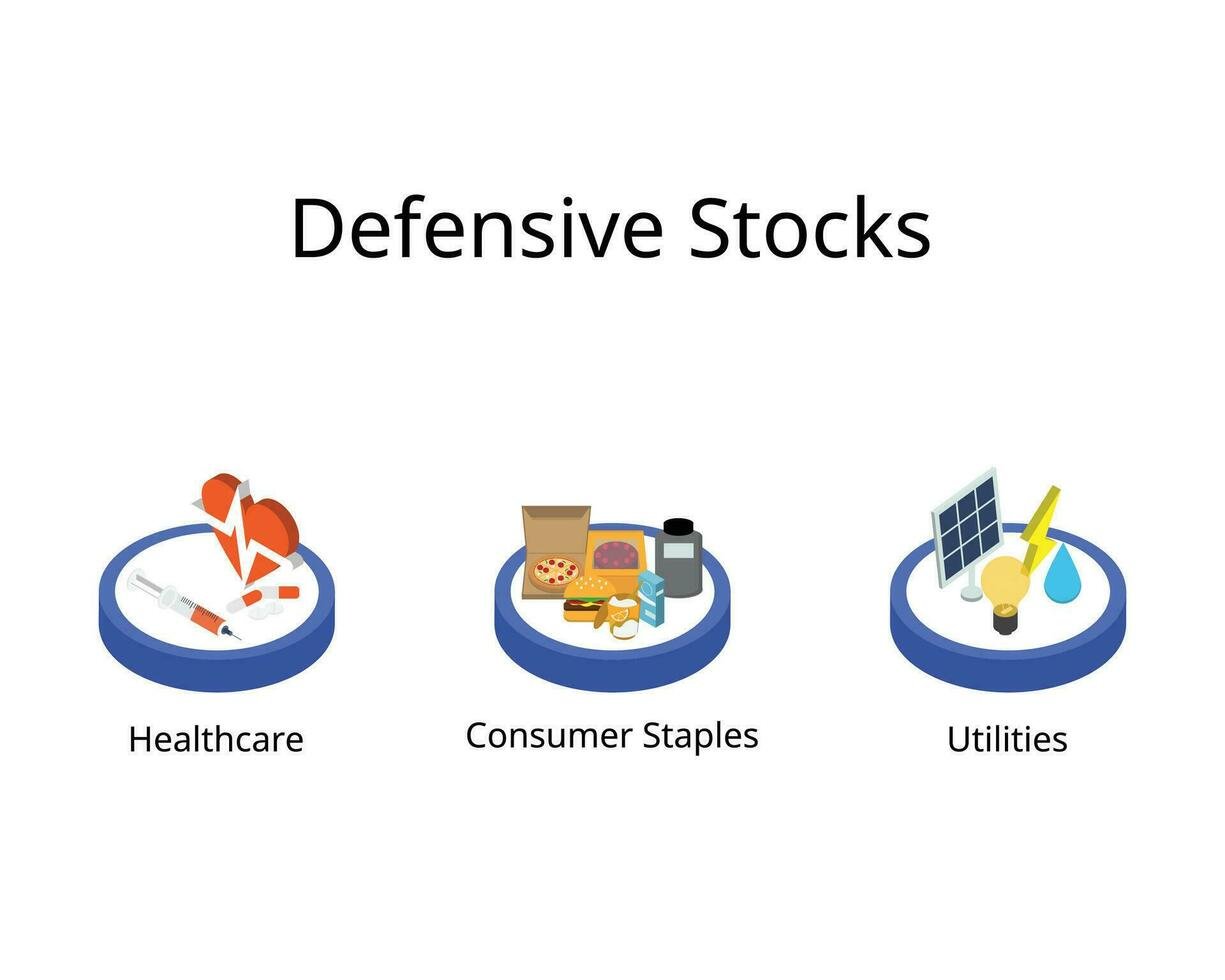
- Healthcare: The Bedrock of Defense
- Role: Offers stability and non-cyclical demand. Illness and the need for medical care are constants, largely independent of economic conditions.
- Characteristics: Defensive earnings, predictable cash flows, and demographic tailwinds from an aging global population.
- Risk: Regulatory and political risk (e.g., drug pricing), patent expirations, and high-stakes R&D outcomes.
- Industrial Conglomerate: The Pulse of the Global Economy
- Role: Provides a direct link to global economic health and infrastructure development. These companies benefit from industrialization, urbanization, and efficiency drives.
- Characteristics: Cyclical (but diversified) earnings, tangible asset bases, and strong free cash flow generation. They are often bellwethers for manufacturing, construction, and aviation.
- Risk: Economic cyclicality, exposure to commodity prices, and global supply chain pressures.
With this framework in mind, let’s explore our three selected champions.
Pillar 1: Technology – Microsoft Corporation (MSFT)
Company Overview: The Ecosystem Architect
Microsoft’s journey from a dominant PC software company to a cloud and AI behemoth is one of the most remarkable corporate transformations in history. Under CEO Satya Nadella’s leadership, the company successfully pivoted from a “Windows-first” worldview to a “cloud-first, AI-first” strategy. Today, Microsoft is not a single-product company but a vast, interconnected ecosystem comprising:
- Intelligent Cloud: Azure (cloud computing), Server Products, and Enterprise Services.
- Productivity and Business Processes: Office 365, Dynamics 365, LinkedIn, and Skype.
- More Personal Computing: Windows, Xbox, Surface, and Bing.
This diversification across software, cloud infrastructure, and services creates a resilient and self-reinforcing business model.
The Investment Thesis: The Central Nervous System of the Digital World
Microsoft’s strength lies in its entrenchment within both the enterprise and consumer landscapes. Its economic moat is among the widest in the world, built on several key factors:
- The Azure and Cloud Dominance: Microsoft Azure is the world’s second-largest cloud infrastructure platform, locked in a fierce battle with Amazon Web Services (AWS). The global shift to the cloud is a multi-decade secular trend, and Azure is a primary beneficiary. Enterprises are choosing Azure not just for raw computing power but for its seamless integration with the rest of the Microsoft ecosystem.
- Unrivaled Software Entrenchment: Microsoft 365 (the subscription-based version of Office) is the global standard for productivity software. With over a billion users, it creates an incredibly sticky customer base. Once a business has its workflows, files, and communications built on Microsoft’s platform, the cost and disruption of switching to a competitor are prohibitively high. This creates a predictable, recurring revenue stream.
- The AI Vanguard through OpenAI Partnership: Microsoft’s multi-billion-dollar investment in OpenAI, the creator of ChatGPT, was a strategic masterstroke. It instantly positioned the company at the forefront of the Generative AI revolution. By integrating AI copilots across its entire product suite—from GitHub and Office to Windows and Azure—Microsoft is not just adapting to the AI era; it is actively defining it. This moves it from being a utility to an innovation partner for its customers.
Financial Fortitude and Shareholder Returns
Microsoft is a financial powerhouse. It boasts:
- Massive Profit Margins: Its software-based products and cloud services generate exceptionally high margins.
- Consistent Double-Digit Growth: It has consistently delivered revenue and earnings growth, a remarkable feat for a company of its scale.
- A Fortress Balance Sheet: It holds one of the largest cash reserves globally, providing it with the flexibility to invest in R&D, make strategic acquisitions (like Nuance Communications and Activision Blizzard), and weather any economic downturn.
- Shareholder-Friendly Actions: While its dividend yield is modest (~0.7%), it is a Dividend Aristocrat with a long history of consistent increases. It also returns significant capital to shareholders through an aggressive share repurchase program.
Risks and Considerations
- Intense Competition: Faces relentless competition from Amazon (AWS), Google (Cloud), Apple, and a host of SaaS providers.
- Regulatory Scrutiny: Its size and market power attract constant regulatory attention in the U.S., Europe, and other regions.
- Execution Risk in AI: While well-positioned, the AI landscape is evolving rapidly, and monetizing these new tools effectively is not without risk.
Conclusion on Microsoft: It is the quintessential growth-and-quality anchor for a modern portfolio. It provides explosive growth potential through Azure and AI, balanced by the defensive, recurring revenue of its software products.
Pillar 2: Healthcare – Johnson & Johnson (JNJ)
Company Overview: The Healthcare Titan, Reimagined
For over 135 years, Johnson & Johnson has been a synonym for healthcare trust. Its business was historically a triad of Pharmaceuticals, MedTech, and Consumer Health. However, in a landmark move in 2023, the company spun off its Consumer Health division into a new, independent publicly traded company called Kenvue (housing brands like Band-Aid, Tylenol, and Listerine).
This strategic decision has transformed J&J into a more focused, higher-growth innovation company, purely concentrated on its two core segments:
- Pharmaceuticals: A powerhouse in immunology, oncology, neuroscience, cardiovascular diseases, and pulmonary hypertension.
- MedTech: A leader in surgical, orthopaedic, and interventional solutions, including electrophysiology products.
The Investment Thesis: Science-Driven Stability and Growth
The new J&J is a bet on high-margin, scientifically advanced healthcare with powerful defensive characteristics.
- The Pharmaceutical Innovation Engine: J&J’s pharma division is its growth driver. It has a prolific R&D pipeline and a history of bringing blockbuster drugs to market (e.g., Stelara, Darzalex, Imbruvica). The patent-protected monopoly on these drugs allows for high profit margins, which fund the next wave of R&D. While “patent cliffs” are a constant risk, J&J has demonstrated a consistent ability to replenish its pipeline through both internal research and strategic acquisitions.
- MedTech’s Demographic Tailwind: The MedTech business benefits from powerful, non-discretionary long-term trends. An aging global population requires more joint replacements, surgical procedures, and advanced medical devices. J&J’s scale and broad product portfolio across surgery, orthopaedics, and vision care make it a one-stop shop for hospitals and providers, creating deep customer relationships.
- Post-Spin-Off Focus and Financial Strength: The Kenvue spin-off was a masterclass in capital allocation. It allows J&J management to focus entirely on the high-growth, innovative parts of the business without the distraction of managing slower-growth consumer brands. The company used the transaction to strengthen its balance sheet, significantly reducing its debt load. J&J retains its pristine AAA credit rating, one of the few non-financial companies to hold this distinction.
- A Legendary Dividend Track Record: Johnson & Johnson is a Dividend King, having increased its dividend for 62 consecutive years. This incredible streak, which has persisted through wars, recessions, and pandemics, is a testament to the resilience of its business model and its unwavering commitment to shareholders. For investors seeking reliable and growing income, J&J is a cornerstone holding.
Risks and Considerations
- Patent Expirations: The loss of exclusivity on key drugs can lead to rapid revenue erosion from generic competition.
- Litigation Overhang: The company has faced significant litigation, most notably regarding its talc-based products. It has navigated this through a subsidiary’s strategic bankruptcy filing (LTL Management), but it remains a source of headline risk and potential financial liability.
- Regulatory Hurdles: The entire healthcare sector is subject to intense regulation from bodies like the FDA, which can delay or deny product approvals.
Conclusion on Johnson & Johnson: It is the definitive defensive growth stock. It offers the stability of essential healthcare demand, the growth of a robust pharmaceutical pipeline, and the income safety of a Dividend King, making it an ideal core holding for the healthcare portion of any portfolio.
Read more: Passive Income Powerhouses: 3 US Dividend Stocks for Reliable Cash Flow
Pillar 3: Industrial Conglomerate – Honeywell International Inc. (HON)
Company Overview: The Industrial Tech Leader
Honeywell is a premier global diversified technology and manufacturing company. It has successfully transformed itself from a traditional industrial conglomerate into a leader in high-growth, connected industrial solutions. Its portfolio is strategically aligned with several key megatrends, organized into four cohesive segments:
- Aerospace: Providing aircraft engines, avionics, and services for commercial and defense clients.
- Building Technologies: Offering building controls, security, and energy optimization solutions.
- Performance Materials and Technologies (PMT): Manufacturing high-performance chemicals and providing process technology for the energy and petrochemical industries.
- Safety and Productivity Solutions (SPS): Providing personal protective equipment, warehouse automation, and workflow software.
The Investment Thesis: A Modern Industrial for a Smarter, More Efficient World
Honeywell’s investment appeal lies in its ability to blend the cash flow stability of a traditional industrial with the growth profile of a technology company.
- Aerospace: A Long-Term Recovery and Growth Story: Aerospace is Honeywell’s largest segment and its crown jewel. The long-term trend in global air travel is firmly positive, driven by rising middle-class populations in emerging markets. Honeywell is a critical supplier to this industry, with a large and growing aftermarket business that provides recurring revenue from parts and services over the long lifecycle of an aircraft. The post-pandemic travel boom has been a significant tailwind.
- Alignment with Secular Megatrends: Honeywell has strategically positioned its portfolio to capitalize on powerful, long-term themes:
- Automation: Its warehouse automation and process solutions business is a direct play on the need for supply chain efficiency.
- Energy Transition: Its PMT segment is a leader in sustainable technology, including solutions for renewable fuels, carbon capture, and hydrogen production.
- Building Efficiency: Its Building Technologies segment benefits from the global push for energy conservation and smarter, safer buildings.
- A Culture of Operational Excellence: Honeywell is renowned for its relentless focus on productivity and margin expansion through its proprietary operating system, the Honeywell Velocity System (HVS). This culture of continuous improvement ensures that the company remains lean, efficient, and highly profitable, even during economic downturns.
- Strong Capital Allocation: Under the leadership of CEO Vimal Kapur, Honeywell has a disciplined capital allocation strategy. It balances consistent dividend growth (it is a Dividend Aristocrat), strategic acquisitions to bolster its high-growth segments, and share repurchases. Its strong free cash flow generation funds all these priorities comfortably.
Risks and Considerations
- Economic Cyclicality: Despite its diversification, Honeywell is still exposed to global industrial production cycles. A deep recession could dampen demand in its short-cycle businesses.
- Supply Chain Challenges: As a manufacturer, it is susceptible to disruptions in the global supply chain and inflationary pressures for raw materials.
- Geopolitical Risks: Its global footprint exposes it to trade tensions, tariffs, and geopolitical instability.
Conclusion on Honeywell: It is the ideal industrial component for a balanced portfolio. It provides a cyclical kicker tied to global economic growth, but it is tempered by its strong aftermarket revenues, its alignment with automation and energy efficiency trends, and a management team known for superior execution.
Synthesis: The Balanced Portfolio in Action
Imagine a portfolio with meaningful allocations to Microsoft, Johnson & Johnson, and Honeywell. How might it behave under different market conditions?
- **In a **Tech-Driven Bull Market: Microsoft would likely be the star performer, driving significant portfolio appreciation with its cloud and AI growth.
- **During an **Economic Recession or Market Pullback: Johnson & Johnson would provide crucial defensive ballast. Its stable earnings and reliable dividend would help cushion the portfolio’s decline, as demand for healthcare remains firm.
- **In a **Period of Strong Global Economic Growth and Rising Interest Rates: Honeywell would shine. Its cyclical businesses would benefit from increased industrial activity and capital investment, while its focus on operational efficiency would help it manage cost pressures.
This non-correlation is the essence of balance. While no portfolio is immune to a systemic, market-wide crash, this triad ensures that a downturn in one sector does not necessarily spell disaster for the entire portfolio. The strengths of one holding can help offset the temporary weaknesses of another.
Conclusion: A Foundation for Long-Term Prosperity
Building a balanced portfolio is an exercise in strategic foresight and discipline. It requires looking beyond the day’s headlines and focusing on the ownership of high-quality businesses built to last. Microsoft, Johnson & Johnson, and Honeywell each represent the pinnacle of their respective sectors.
- Microsoft offers cutting-edge growth and the power of digital transformation.
- Johnson & Johnson provides defensive stability, scientific innovation, and a gold-standard dividend.
- Honeywell delivers cyclical growth leveraged to global infrastructure and industrial efficiency.
Together, they create a robust, all-weather core for an investment portfolio. They are companies with strong leadership, wide economic moats, and a commitment to shareholder value. By anchoring a portfolio with these three pillars, an investor is not merely betting on stocks; they are investing in the enduring engines of the modern global economy, positioning themselves for a balanced and prosperous future.
Read more: The Bedrock Portfolio: 3 Time-Tested US Stocks to Buy and Hold Forever
Frequently Asked Questions (FAQ)
Q1: Why these three companies and not their competitors? For example, why not Amazon or Google instead of Microsoft?
This selection is about constructing a balanced portfolio, not just picking the best company in each sector. Microsoft was chosen for its unparalleled combination of cloud growth (Azure), software entrenchment (Office), and AI leadership. While Amazon and Google are fantastic companies, their consumer-facing and advertising-centric models have different risk/return profiles. Microsoft’s enterprise focus and massive recurring revenue streams offer a unique blend of growth and stability that fits the “core holding” role perfectly.
Q2: With the Kenvue spin-off, is Johnson & Johnson’s dividend still safe?
Absolutely. The spin-off was structured to be dividend-neutral for J&J shareholders, who received shares in Kenvue. More importantly, the “new” J&J is now a higher-margin, faster-growing company focused purely on Pharmaceuticals and MedTech. This enhanced growth profile and strong cash flow generation actually strengthen its ability to continue its legendary dividend growth streak. The company has explicitly reaffirmed its commitment to the dividend.
Q3: How does Honeywell’s “industrial tech” focus differentiate it from a company like General Electric?
Honeywell and GE have taken vastly different paths over the last decade. Honeywell has consistently focused on portfolio refinement, operational excellence, and high-margin technology segments like automation and sustainable solutions. GE, on the other hand, has undergone a painful and complex breakup after years of struggling with its financial services and power segments. Honeywell’s consistent execution, stronger balance sheet, and clear strategic alignment with key megatrends make it a more reliable and lower-risk industrial investment today.
Q4: What is a good way to determine the allocation weight for each of these stocks in my portfolio?
There is no one-size-fits-all answer. Allocation depends entirely on your individual risk tolerance, investment time horizon, and financial goals.
- A more aggressive, growth-oriented investor might weight Microsoft more heavily.
- A more conservative, income-focused investor might allocate more to Johnson & Johnson.
- An investor seeking a balanced approach might weight them equally or in a 40% (MSFT) / 30% (JNJ) / 30% (HON) split as a starting point for analysis.
It is highly recommended to consult with a qualified financial advisor to determine the allocation that is right for your specific situation.
Q5: Are these stocks still good buys at their current valuations?
Valuation is a dynamic metric. All three companies are high-quality leaders and often trade at premiums to the broader market. Rather than trying to time the market, a more prudent strategy is dollar-cost averaging—investing a fixed amount of money at regular intervals (e.g., monthly). This approach smooths out your purchase price over time and reduces the risk of investing a large lump sum at a market peak. The goal is to own these companies for the long term, where short-term valuation fluctuations matter less than their long-term business performance.
Disclaimer
This article is for informational and educational purposes only and does not constitute specific financial, investment, or tax advice. The information presented is based on data and analysis available as of the writing date and is believed to be reliable but is not guaranteed. All investing involves risk, including the possible loss of principal. The mention of any specific stock (MSFT, JNJ, HON) is for illustrative and educational purposes and is not a recommendation to buy, sell, or hold any security. The future performance of any investment cannot be predicted based on past performance. You should conduct your own thorough research, consider your individual financial circumstances and risk tolerance, and consult with a qualified financial advisor before making any investment decisions.