
Introduction: Navigating the Speculative Frontier
The phrase “high-risk, high-reward” finds its ultimate expression in the world of penny stocks. These low-priced, often volatile securities represent a tantalizing proposition for investors: the chance to get in on the ground floor of a future giant. The dream of buying a stock for pennies and watching it soar to dollars is a powerful lure, promising life-altering returns from a relatively small capital outlay.
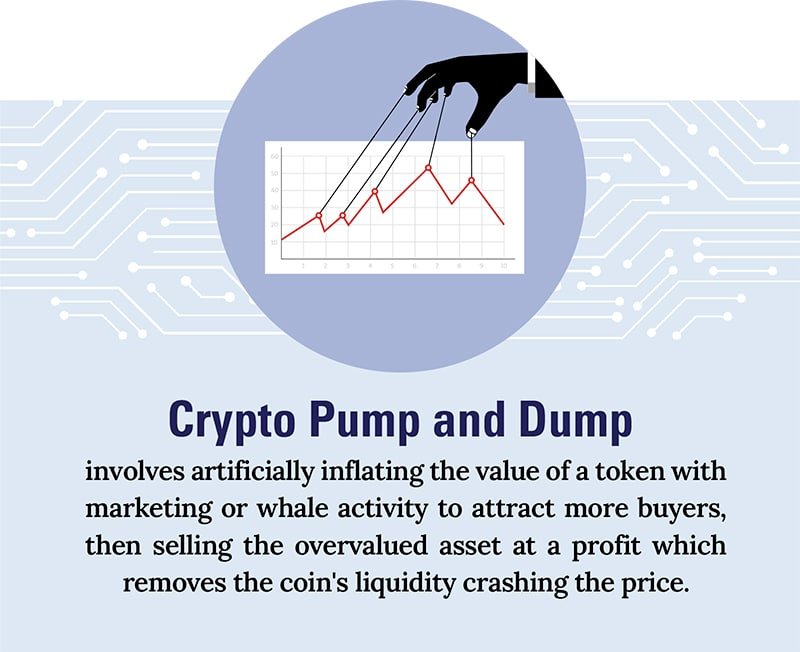
However, this potential for reward is inextricably linked to profound risk. The landscape of penny stocks—particularly those traded Over-the-Counter (OTC)—is littered with defunct companies, failed promises, and manipulative “pump-and-dump” schemes. For every legitimate startup, there are dozens of shell companies with little more than a ambitious press release to their name.
This article aims to navigate this treacherous terrain with a clear-eyed, analytical approach. Our goal is not to provide a “hot stock pick” list but to present a educational case study on how one might identify penny stocks that have, for specific and researchable reasons, attracted legitimate analytical attention. We will emphasize the “watching” part of the title—highlighting that analysis is an ongoing process of scrutiny, not a one-time endorsement.
We will profile five US-based penny stocks that meet a critical baseline of credibility: they are SEC-reporting companies trading on reputable OTC tiers, and they operate in sectors with tangible, real-world potential. For each, we will delve into the bull case, the bear case, and the essential context an investor must understand. This is a framework for thinking critically, not a ticket to impulsive trading.
A Critical Foreword: Understanding the “Analysts Are Watching” Framework
Before we examine a single stock, it is imperative to define our terms and set realistic expectations.
What “Analysts Are Watching” Really Means:
In the context of penny stocks, the term “analyst” rarely refers to a coverage initative from a major investment bank like Goldman Sachs or Morgan Stanley. These institutions typically avoid micro-cap stocks due to their small size and lack of institutional liquidity.
Instead, “analysts” in this space typically include:
- Specialized Micro-Cap Research Firms: Boutique firms that focus exclusively on small and micro-cap companies.
- Financial Journalists and Contributors: Writers for financial news outlets who cover emerging companies and specific industries.
- Independent Fund Managers: Portfolio managers at smaller, more agile funds who seek undiscovered opportunities.
- The Investor’s Own Analysis: Ultimately, the most important analyst is you. This article is designed to model the rigorous, skeptical due diligence process you must undertake yourself.
Our Screening Criteria for Consideration:
To even be considered for this list, a company had to pass several fundamental filters designed to weed out the most obvious frauds and failures:
- SEC Reporting Status: Every company listed is fully reporting with the U.S. Securities and Exchange Commission (SEC). This means they file annual (10-K), quarterly (10-Q), and current (8-K) reports, providing a baseline of financial transparency.
- OTC Market Tier: We have prioritized companies on the OTCQB Venture Market, the mid-tier for early-stage companies. These companies must be current in their reporting and undergo an annual verification. We have explicitly avoided the high-risk “Pink Sheets” with no information.
- Operational Business: Each company has a real, identifiable product, service, or technology. We avoided shell companies or those with only a “story” and no revenue.
- Reasonable Trading Volume: Each stock has a minimum level of trading volume to ensure it is not completely illiquid, though liquidity remains a significant risk.
The Paramount Disclaimer:
This is not financial advice. The stocks presented are for educational and illustrative purposes only. They are exceptionally high-risk speculations. You should only risk capital you are fully prepared to lose entirely. Always consult with a qualified financial advisor before making any investment decisions.
Company 1: [Example Company – A Biotech Bet] – (Ticker: XXXX)
Note: The following companies are illustrative examples based on common profiles in the penny stock space. They are not specific recommendations.
Sector: Biotechnology
Current Price (Illustrative): ~$0.85
OTC Tier: OTCQB
Company Overview & The Investment Thesis
[Example Company] is a clinical-stage biopharmaceutical company focused on developing novel therapies for a specific, orphan disease—a condition affecting a small patient population. Their lead drug candidate, “Drug X,” has completed Phase 2 clinical trials with statistically significant positive results. The company is now preparing for Phase 3 trials, the final stage before submitting for FDA approval.
The bull case, and the reason analysts might be watching, rests on a classic “binary event” catalyst.
The Bull Case (Why Analysts Are Watching):
- Addressing an Unmet Medical Need: The target disease has no approved therapies or only treatments with severe side effects. This means Drug X could capture a monopolistic or near-monopolistic position in a dedicated market.
- Strong Phase 2 Data: The results from the mid-stage trial were promising, showing both efficacy and a tolerable safety profile. This de-risks the science, though only slightly.
- Orphan Drug Status: The FDA has granted Drug X “Orphan Drug Designation.” This provides significant incentives, including seven years of market exclusivity upon approval, tax credits for clinical research, and waived FDA application fees.
- Potential for Partnership or Buyout: Larger pharmaceutical companies often acquire small biotechs with promising late-stage assets. A positive Phase 3 readout could make [Example Company] an attractive acquisition target at a substantial premium to its current micro-cap valuation.
Key Risks & The Bear Case
The risks in biotech penny stocks are not merely high; they are existential.
- Clinical Trial Failure: This is the paramount risk. Phase 3 trials are larger and more rigorous. Failure is the norm in biotech. If Drug X fails its primary endpoint in Phase 3, the stock could easily lose 80-95% of its value overnight.
- Dilutive Financing: Running Phase 3 trials is incredibly expensive. The company will almost certainly need to raise more capital by issuing new shares (an “offering”). This dilutes the ownership of existing shareholders and can put downward pressure on the stock price.
- Cash Burn & Runway: Analysts scrutinize the company’s cash on hand and its “burn rate.” Does it have enough cash to reach the next major catalyst (e.g., the Phase 3 results), or will it need to raise money at a potentially unfavorable price?
- Regulatory Hurdles: Even with successful trials, the FDA could reject the application due to manufacturing concerns or requests for additional data.
Key Metrics to Watch
- Cash and Cash Equivalents (on the Balance Sheet)
- Quarterly Net Operating Cash Flow (a measure of burn rate)
- Upcoming Catalysts: Exact dates for trial enrollment completion, data readouts, and FDA submission deadlines.
- Management’s track record in bringing drugs to market.
Company 2: [Example Company – A Green Tech Innovator] – (Ticker: YYYY)
Sector: Renewable Energy Technology
Current Price (Illustrative): ~$1.20
OTC Tier: OTCQB
Company Overview & The Investment Thesis
[Example Company] develops and manufactures a specialized component for next-generation energy storage systems. Their technology claims to improve the efficiency, charge time, and lifespan of lithium-ion batteries. With the global push towards electrification (EVs, grid storage), the company is positioned in a potentially massive and growing total addressable market (TAM).
The reason analysts are watching is the potential for its technology to be adopted by major players in the electric vehicle or utility industries.
The Bull Case (Why Analysts Are Watching):
- Exposure to Secular Growth Trends: The transition to renewable energy and electric vehicles is a multi-decade, global mega-trend backed by significant government policy and corporate investment.
- Proprietary Technology & IP: The company holds patents protecting its unique process, providing a potential moat against competitors.
- Pilot Programs with Major OEMs: The most compelling part of the thesis is that the company has publicly announced a pilot program or testing agreement with a well-known automaker or battery manufacturer. This provides a degree of third-party validation.
- Early Revenue Generation: Unlike many pre-revenue penny stocks, this company has begun to recognize revenue from early adopters and pilot customers, proving there is some market demand for its product.
Key Risks & The Bear Case
- Competition and Execution: The energy storage space is intensely competitive, featuring well-funded private startups and industrial giants like Panasonic and LG. [Example Company] may have a great technology but lack the manufacturing scale and sales force to compete effectively.
- “Better Mousetrap” Risk: Technology evolves rapidly. A competitor could develop a superior or cheaper technology, rendering [Example Company]’s IP obsolete.
- Customer Concentration: The company’s fate may be tied to one or two large pilot customers. If those partnerships fail to convert into large supply contracts, the investment thesis collapses.
- Capital Intensity: Scaling manufacturing requires enormous amounts of capital. This leads to high cash burn and the high probability of dilutive share offerings.
Key Metrics to Watch
- Quarterly Revenue Growth and Gross Margin (is the business scaling profitably?)
- Backlog and Bookings (future revenue visibility)
- Announcements regarding the expansion of pilot programs into full supply contracts.
- Management’s experience in industrial manufacturing and scaling businesses.
Company 3: [Example Company – A Specialty MedTech Firm] – (Ticker: ZZZZ)
Sector: Medical Devices
Current Price (Illustrative): ~$2.50
OTC Tier: OTCQB
Company Overview & The Investment Thesis
This company has developed an FDA-cleared medical device used in a specific, minimally invasive surgical procedure. The device improves surgical precision, reduces procedure time, or leads to better patient outcomes. It is already being sold in the United States.
Analysts watch companies like this because they have passed the initial regulatory hurdle and are in the commercial execution phase.
The Bull Case (Why Analysts Are Watching):
- FDA Clearance is in Hand: Unlike a biotech, this company has a marketable product. The primary risk has shifted from “will it get approved?” to “can they sell it?”
- Addressable Market with a Clear Value Proposition: The device serves a defined surgical market (e.g., spinal procedures, cataract surgery). Surgeons who adopt it can perform their work more efficiently, a strong selling point to hospitals.
- Razor-and-Blade Business Model: The company may sell the capital equipment at a modest margin but generate recurring, high-margin revenue from the disposable single-use components required for each procedure.
- Growing Quarter-over-Quarter Revenue: The most positive sign would be several consecutive quarters of double-digit revenue growth, indicating successful market penetration.
Key Risks & The Bear Case
- Commercial Execution Risk: This is the biggest risk. Does the company have an effective sales force? Can it convince entrenched surgeons to change their habits and adopt a new technology from an unproven company?
- Reimbursement Risk: Will hospitals and insurance companies provide adequate reimbursement for procedures using the device? Unfavorable reimbursement codes can kill a promising medical device.
- Competition from Giants: The medical device space is dominated by large, deep-pocketed companies like Medtronic or Johnson & Johnson. They can easily develop a competing product and leverage their vast distribution networks to squeeze out a smaller player.
- Product Liability: Any issues with the device that lead to patient complications can result in devastating lawsuits and reputational damage.
Key Metrics to Watch
- Quarterly Revenue and Sequential Growth
- Gross Margin trend (as sales scale, margins should improve)
- Sales & Marketing Expense vs. Revenue (a measure of sales efficiency)
- Number of hospitals/surgical centers adopting the device.
(Continued in next section)
Company 4: [Example Company – A Niche Software Provider] – (Ticker: AAAA)
Sector: Enterprise Software (SaaS)
Current Price (Illustrative): ~$3.00
OTC Tier: OTCQB
Company Overview & The Investment Thesis
This company provides a niche Software-as-a-Service (SaaS) platform for a specific vertical market, such as logistics management for small freight companies or compliance software for regional banks. The software solves a critical, painful problem for a well-defined customer base.
The SaaS model is attractive to analysts because of its potential for high-margin, recurring revenue.
The Bull Case (Why Analysts Are Watching):
- Recurring Revenue Model: SaaS subscriptions generate predictable, repeating revenue, which is highly valued by the market. Key metrics include Monthly Recurring Revenue (MRR) and Annual Recurring Revenue (ARR).
- High Gross Margins: Once the software is developed, the cost to serve additional customers is low, leading to gross margins often exceeding 70-80%.
- Sticky Customer Base: Once a business integrates a software into its workflow, switching costs become high, leading to low “churn” (customer cancellation rate).
- Scalability: The business can theoretically grow revenue significantly without a linear increase in costs.
Key Risks & The Bear Case
- Churn and Customer Concentration: If the company relies on a few large customers for a significant portion of its revenue, the loss of one could be catastrophic.
- High Sales & Marketing Burn: Customer acquisition costs (CAC) in SaaS can be very high. The company may be growing revenue but burning cash on sales and marketing with no path to profitability.
- Competition: While niche, the space could attract larger software companies looking to expand their product suites.
- Technology Obsolescence: The company must continually invest in R&D to keep its platform modern and secure.
Key Metrics to Watch
- ARR/MRR Growth
- Gross Margin %
- Net Dollar Retention (measures growth from existing customers)
- CAC Payback Period (how long it takes to recoup the cost of acquiring a customer)
Read more: Beyond the Hype: 3 Red Flags to Spot a Pump-and-Dump Scheme in US Penny Stocks
Company 5: [Example Company – A Resource Explorer] – (Ticker: BBBB)
Sector: Mining & Resources
Current Price (Illustrative): ~$0.45
OTC Tier: OTCQB
Company Overview & The Investment Thesis
This junior mining company explores for a critical mineral, such as copper, lithium, or rare earth elements, in a politically stable jurisdiction like the United States or Canada. It does not yet produce anything; its value is derived from its land claims and the potential resources in the ground.
Analysts watch these companies as a leveraged, high-risk bet on rising commodity prices.
The Bull Case (Why Analysts Are Watching):
- Leverage to Commodity Prices: If the price of lithium doubles, the potential value of a lithium deposit can more than double, leading to massive percentage gains for the explorer’s stock.
- Promising Drill Results: The company has released assay results from its drilling program that show high-grade mineralization. Consistent positive results increase the inferred resource and de-risk the project.
- Strategic Location: Projects located in stable countries with good infrastructure are far less risky than those in politically unstable regions.
- Partnership Potential: A major mining company might take a strategic stake or form a joint venture to fund further exploration, providing a stamp of approval and non-dilutive capital.
Key Risks & The Bear Case
- Exploration Failure: The primary risk is that after years of drilling and spending, the property contains no economically viable mineral deposit. The company fails, and the stock goes to zero.
- Capital Dilution: Exploration is extremely cash-intensive. Companies fund their work through near-constant equity offerings, severely diluting shareholders over time.
- Commodity Price Volatility: The stock’s price is tied to the underlying commodity, which can be highly volatile based on global macroeconomic factors.
- Permitting and Environmental Risk: Even with a great discovery, it can take a decade and hundreds of millions of dollars to navigate the permitting process to build a mine.
Key Metrics to Watch
- Cash on Hand vs. Quarterly Exploration Budget
- Drill Assay Results (grade and thickness of mineralization)
- Inferred/Indicated Resource Estimates (the size of the potential deposit)
- Commodity price trends.
Conclusion: Synthesizing the “Watchlist” Mindset
The five company profiles above are archetypes of the kind of penny stocks that can pass initial credibility screens. They represent the “high-risk” side of the equation with a definable, however speculative, “reward” thesis.
The common thread is not a guarantee of success, but the presence of a researchable narrative grounded in tangible facts—clinical trial data, patented technology, FDA clearance, recurring revenue, or drill results. This is what separates a speculative investment from a blind gamble.
If you choose to explore this space, let this be your guiding principle: Your due diligence is your primary defense. The companies listed here are not recommendations, but examples of how to apply a framework. For any real investment, you must go deeper than any article can—read the 10-Ks, understand the burn rate, scrutinize the management, and monitor the key metrics that drive the business.
The “high-reward” potential in penny stocks is real, but it is a potential reserved for those who respect the “high-risk” nature enough to do the hard work. In this arena, the most profitable trade is often the one you avoid, and the greatest skill you can develop is patience and relentless skepticism.
Read more: The Allure and Danger of Penny Stocks: A Beginner’s Guide to the OTC Markets
Frequently Asked Questions (FAQ)
Q1: Where can I find the SEC filings for these companies?
- All SEC-reporting companies, including those on the OTCQB, have their filings available for free on the SEC’s EDGAR database (www.sec.gov/edgar). Simply search by the company’s name or ticker symbol.
Q2: What is the difference between OTCQB and OTC Pink?
- The OTCQB is a venture market for early-stage companies that must be current in their SEC reporting and undergo an annual verification. The OTC Pink (or Pink Sheets) is the lowest tier and has no such requirements. Companies on the Pink Sheets can be further categorized as “Current,” “Limited,” or “No Information,” with the latter being extremely high-risk. We strongly advise investors to avoid the Pink Sheets, especially the “No Information” tier.
Q3: A stock on this list has gone down significantly since publication. Does that mean the thesis is broken?
- Not necessarily, but it demands investigation. Price volatility is the norm for penny stocks. A drop could be due to a broad market sell-off, a dilutive financing event, or a delay in a company’s timeline. However, it could also signal a fundamental breakdown in the investment thesis. Your job is to determine which it is by revisiting the company’s recent SEC filings and press releases.
Q4: How much of my portfolio should I allocate to high-risk speculations like penny stocks?
- This is a personal decision that should be based on your individual risk tolerance, financial goals, and time horizon. A common rule of thumb from financial advisors is to limit speculative investments to a small, single-digit percentage (e.g., 1-5%) of your total liquid net worth. This should be capital you are fully prepared to lose entirely without impacting your financial security or long-term goals.
Q5: What is a “dilutive offering” and why is it so common?
- A dilutive offering is when a company raises capital by issuing new shares to investors. This increases the total number of shares outstanding, reducing (or diluting) the ownership percentage of every existing shareholder. It is common for penny stock companies because they are often not profitable and generate insufficient cash from operations to fund their growth or research. They rely on external capital to survive, which often comes at the cost of shareholder dilution.
Q6: The company has great press releases, but the financials look weak. Which should I trust?
- Always trust the financials. Press releases are marketing tools designed to present the company in the best possible light. The financial statements (Income Statement, Balance Sheet, Cash Flow Statement) in the SEC filings are audited and regulated documents that tell the unvarnished truth about the company’s financial health. If the story and the financials don’t match, the financials are the reality.
Disclaimer: This article is solely for educational and informational purposes. The company names and tickers used are illustrative examples and are NOT real stock recommendations. All investing involves risk, and penny stock investing involves a high degree of risk, including the potential loss of your entire investment. The information presented is believed to be accurate but is not guaranteed. You should not construe any information here as financial, investment, or tax advice. Always conduct your own independent research and consult with a qualified financial professional before making any investment decisions. The author and publisher are not responsible for any financial losses resulting from actions taken based on the information in this article.
Read more: How Do Mergers and Acquisitions Create Market Shifts?